
Understanding the Fundamentals of Outdoor Shelters
Choosing the best camping tent begins with understanding how modern outdoor shelters are engineered to withstand various environmental conditions. Manufacturers use a combination of lightweight aluminum poles, durable synthetic fabrics, and advanced waterproof coatings to create portable homes that protect users from rain, wind, and insects. When evaluating options, you will encounter diverse designs ranging from ultra-lightweight backpacking shelters meant for solitary hikers to expansive family cabins designed for car camping trips. Each design prioritizes specific attributes, meaning that understanding your primary camping style is the most critical first step in narrowing down your numerous choices.
The materials used in tent construction dictate both longevity and performance during inclement weather. Traditional canvas tents offer exceptional breathability and durability, but they are heavy and require meticulous drying to prevent mold growth. Conversely, contemporary nylon and polyester fabrics coated with polyurethane provide superior waterproofing while remaining remarkably lightweight and packable. Additionally, mesh panels are strategically integrated into modern designs to promote cross-ventilation and minimize condensation buildup on chilly mornings. Recognizing how these materials interact with weather patterns helps campers select a shelter that remains comfortable across multiple seasons and diverse geographical landscapes.
Key Categories and Structural Styles
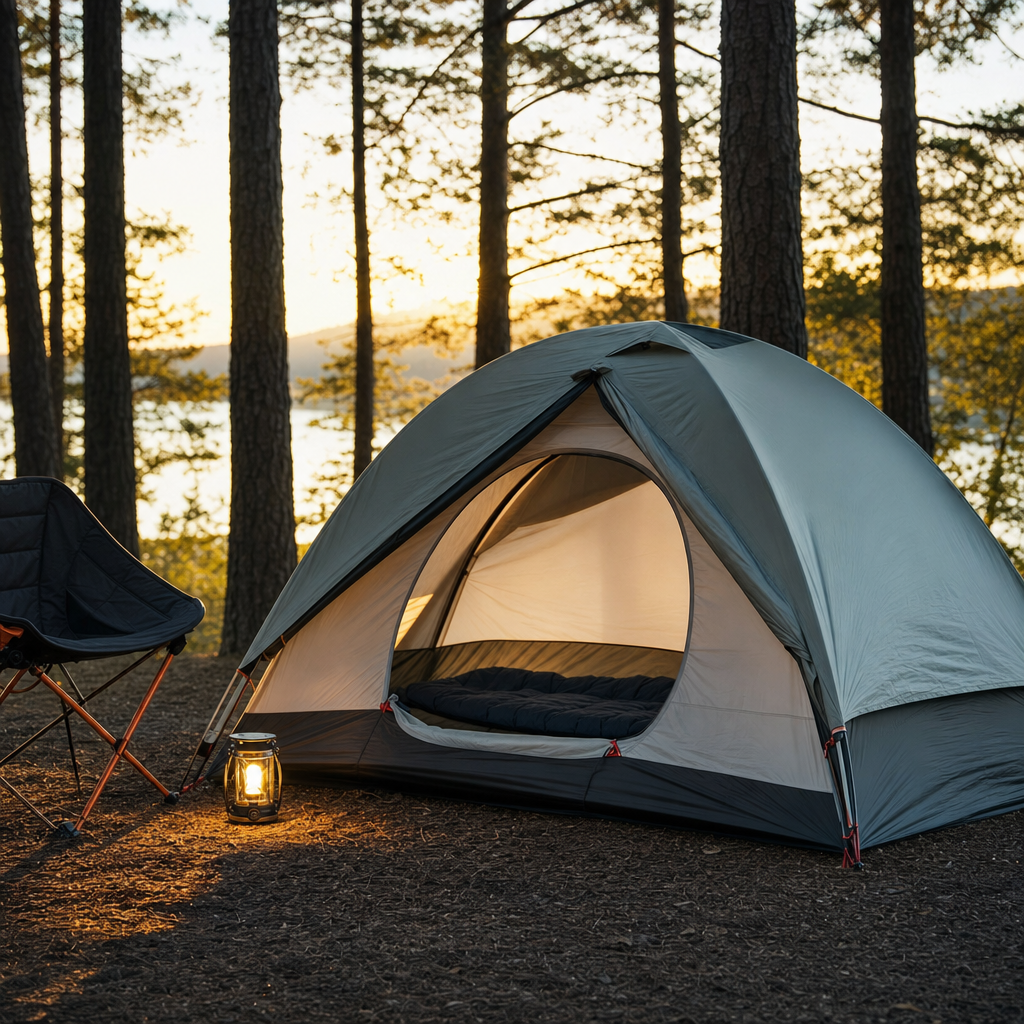
Dome tents represent the most popular style on the market due to their geometric stability and straightforward setup process. Featuring two flexible poles that cross at the center, dome structures naturally shed wind and light snow loads efficiently. They offer a great balance of headroom and floor space, making them versatile for casual weekend trips in established campgrounds as well as remote backcountry excursions. Manufacturers often scale these designs up or down, allowing campers to find dome models tailored precisely to solo trips, romantic getaways, or group adventures with friends and family members.
Cabin tents cater specifically to car campers and families who prioritize living space and vertical walls over extreme weather resistance. These tall structures often feature near-vertical walls, allowing occupants to stand upright and comfortably change clothes or place cots inside the sleeping area. Room dividers can frequently be zipped into place to create separate private chambers, mimicking the layout of a small house. While their high profile makes them less suitable for high-altitude winds or heavy alpine snowstorms, they provide unmatched comfort and luxury for leisurely summer vacations at drive-in campsites.
- Dome Tents: Versatile, wind-resistant, and easy to assemble for general camping.
- Cabin Tents: Spacious interiors with vertical walls, ideal for family car camping.
- Backpacking Tents: Lightweight and compact designs optimized for human-powered travel.
- Geodesic Tents: Multiple intersecting poles engineered for extreme mountaineering conditions.
Evaluating Capacity and Living Space
Interpreting tent capacity ratings can often lead to confusion for novice and experienced campers alike. A tent labeled as a four-person model typically means it can accommodate four sleeping pads placed side by side, leaving very little room for personal gear, movement, or restless sleepers. For maximum comfort, many seasoned outdoor enthusiasts recommend subtracting one person from the manufacturer rating if you prefer having extra interior space for luggage, dogs, or changing clothes. Considering gear storage is especially important during multi-day trips when backpacks, boots, and cooking equipment must be kept dry and secure overnight.
Vestibules and peak height are two crucial elements that significantly enhance the livability of any camping shelter. A vestibule is a covered porch area created by the rainfly extension outside the main tent door, providing a protected zone to leave muddy boots and wet rain gear outside the sleeping quarters. Peak height determines whether you can sit up comfortably, kneel, or stand fully upright without bumping your head against the ceiling fabric. Evaluating these spatial dimensions ensures that rainy days spent inside the tent remain cozy rather than claustrophobic and frustrating for everyone involved.
Weather Resistance and Seasonal Ratings
Shelters are generally classified by seasonal ratings that indicate the severity of weather conditions they are designed to handle safely. Three-season tents are the most common choice, engineered to withstand spring, summer, and autumn elements including moderate rain and wind. They feature ample mesh for ventilation and adequate rainflies to keep precipitation at bay during typical seasonal storms. However, they are not built to endure heavy, accumulating snowfalls or ferocious winter gales that require robust structural reinforcement and heavier fabrics to prevent catastrophic pole failure.
Four-season tents are specialized fortresses designed specifically to withstand harsh winter environments, high-altitude mountaineering, and relentless sub-zero temperatures. These robust structures utilize sturdy pole configurations, heavier fabrics, and low-profile designs that easily shed heavy snow loads and resist powerful wind gusts from any direction. They typically minimize mesh panels to trap internal heat and prevent spindrift from blowing inside, trading summer ventilation for critical winter warmth and safety. Understanding these distinctions ensures you never take a lightweight three-season shelter into a treacherous winter storm.
Practical Setup, Care, and Maintenance
Proper maintenance and careful handling are essential practices that dramatically extend the operational lifespan of your camping shelter. Always practice pitching your tent in your backyard before embarking on a trip to ensure all components are present and you understand the assembly sequence. When arriving at your campsite, clear the ground of sharp rocks, pinecones, and sticks that could puncture the delicate floor fabric, and use a dedicated footprint or groundsheet underneath the tent. Never store a shelter while it is damp, as trapped moisture promotes mildew growth and permanently damages waterproof fabric coatings within days.
Cleaning your tent requires gentle methods to preserve the delicate waterproof coatings and water-repellent treatments applied by the manufacturer. Wash the fabric using lukewarm water, a mild sponge, and a specialized soap formulated for outdoor gear, avoiding harsh laundry detergents, bleaching agents, and washing machines entirely. Periodically inspect the zippers, seam tape, and guy lines for signs of wear and tear, applying seam sealer or waterproofing spray when you notice moisture beginning to seep through. Taking these proactive steps guarantees your reliable shelter will perform flawlessly across countless future outdoor excursions.
Frequently Asked Questions
How do I choose the right size tent for my camping group?
Manufacturers rate tents by maximum sleeping pad capacity with minimal space. For genuine comfort and gear storage, choose a tent rated for one person more than your actual group size.
What is the difference between a three-season and four-season tent?
Three-season tents prioritize ventilation and weather protection for spring, summer, and autumn. Four-season tents feature reinforced poles and heavier fabrics designed to withstand heavy snow and high winds.
Why is a footprint or groundsheet important?
A footprint acts as a protective barrier between the tent floor and abrasive ground, preventing punctures from rocks and sticks while also blocking ground moisture from seeping upward.
How can I prevent condensation buildup inside my tent?
Leave doors or vents partially unzipped to encourage cross-ventilation, avoid cooking inside the shelter, and pitch your tent away from standing water or damp riverbanks.
Article Was Generated By AI.