
Understanding Active Noise Cancellation Technology
Active noise cancellation, commonly abbreviated as ANC, represents a remarkable leap in acoustic engineering and personal audio devices. Unlike traditional sound isolation which relies on thick physical padding to block ambient noise, active systems use sophisticated digital signal processing. Tiny microphones embedded on the exterior of the earcups constantly monitor the surrounding environment, capturing low-frequency droning sounds such as airplane engines, subway rumble, or air conditioning units. A specialized onboard processor then instantly generates an inverted sound wave, often referred to as anti-phase audio, which effectively neutralizes the incoming environmental noise before it ever reaches your eardrums.
While this technology works exceptionally well against continuous, predictable low-frequency hums, it faces distinct physical limitations with sudden, sharp sounds. Transient noises like shattering glass, barking dogs, or sharp vocal bursts cannot be anticipated by the algorithm, meaning they will still pass through to your ears to varying degrees. Understanding this fundamental operating principle helps set realistic expectations for anyone shopping for the best noise cancelling headphones. Combining digital cancellation with high-quality passive acoustic seals creates the ultimate barrier against unwanted sound, transforming chaotic commutes into peaceful sanctuaries of quiet focus.
Key Design Variations and Form Factors
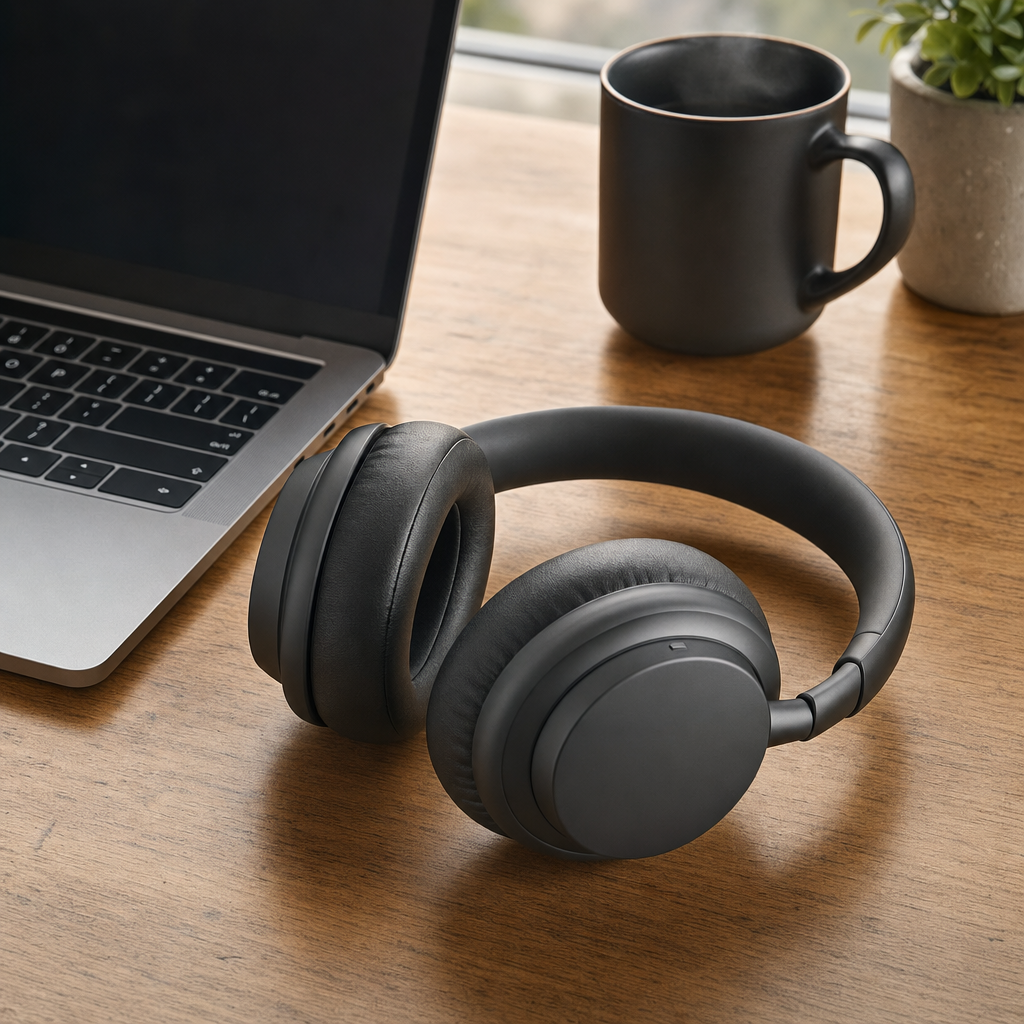
When exploring the market for the best noise cancelling headphones, buyers generally encounter two primary physical form factors: over-ear and in-ear models. Over-ear headphones, also known as circumaural designs, feature large cushioned cups that enclose the entire ear. This physical enclosure provides superior passive isolation by creating an airtight acoustic seal around your ears, which naturally blocks out mid to high-frequency sounds while enhancing the effectiveness of the digital cancellation circuitry. The larger physical footprint also allows manufacturers to integrate larger drivers for deeper bass response, more robust battery cells, and advanced control chips.
Conversely, in-ear monitors or earbuds offer a remarkably lightweight, pocket-friendly alternative that appeals to active individuals and minimalists alike. Modern wireless earbuds rely on silicone or memory foam tips inserted directly into the ear canal to achieve passive sealing, paired with miniature outward-facing microphones. Although physics limits the battery life and raw cancellation power compared to bulky over-ear counterparts, technological advancements have closed the performance gap significantly. Choosing the right design ultimately depends on your lifestyle, preferences regarding portability, and how long you plan to wear the device in a single sitting without taking a break.
Critical Performance Metrics Beyond Audio
Evaluating the best noise cancelling headphones requires looking far beyond simple audio fidelity or sheer volume capabilities. Battery endurance is a paramount concern, especially because running active cancellation algorithms demands substantial electrical power from the internal battery. Premium models typically deliver anywhere from twenty to forty hours of continuous playback with noise cancellation enabled, often supplemented by rapid-charging technologies that provide several hours of use from a brief fifteen-minute charge. Checking these power specifications ensures your audio gear will survive long-haul international flights or multi-day work trips without requiring constant tethering to a wall outlet.
Comfort and ergonomic design are equally critical factors that dictate long-term user satisfaction and usability. Poorly distributed headband weight or excessive clamping force can cause noticeable discomfort, jaw tension, or headaches after just an hour of continuous listening. High-end products utilize memory foam padding wrapped in plush protein leather or breathable fabric, combined with adjustable headbands that distribute weight evenly across the crown of the head. Additionally, intuitive control schemes—whether through tactile physical buttons or responsive touch surfaces—allow users to adjust volume, skip tracks, and toggle transparency modes seamlessly without fumbling through their smartphones.
Important Features to Compare and Evaluate
Navigating the vast array of available options becomes much simpler when you establish a clear checklist of essential features tailored to your specific daily routines. Transparency mode has quickly transitioned from a luxury novelty to an essential safety feature, allowing ambient sounds to pass through the headphones when you need to hear announcements at a train station or converse briefly without removing the gear. Multipoint connectivity is another invaluable modern feature that lets you pair your listening device simultaneously to both a laptop and a smartphone, automatically switching audio sources depending on whether you receive an incoming phone call or play a video.
To streamline your evaluation process, keep the following core comparison criteria in mind when researching models:
- Cancellation Depth: Look for adjustable or adaptive ANC levels to handle changing acoustic environments.
- Microphone Clarity: Ensure built-in mics feature wind reduction for clear hands-free calls outdoors.
- Codec Support: Check for high-resolution Bluetooth codecs like LDAC or aptX for superior wireless audio transmission.
- Companion App Integration: Verify if the manufacturer offers an app with customizable equalizers and firmware updates.
Paying attention to these technical nuances ensures you select a device that not only blocks out unwanted environmental sound but also integrates flawlessly with all of your digital hardware ecosystems. Taking the time to test or read detailed reviews regarding microphone quality and app functionality prevents common post-purchase frustrations and guarantees lasting satisfaction with your investment.
Practical Maintenance and Usage Guidelines
Maximizing the lifespan and performance of your audio equipment requires routine care and mindful daily handling habits. Earbud tips and over-ear cushions accumulate earwax, facial oils, and dust over time, which can degrade acoustic performance and harbor bacteria if left uncleaned. Gently wiping down the surfaces with a soft, slightly damp microfiber cloth and using specialized cleaning tools for mesh grilles helps maintain pristine sound clarity. For over-ear models, replacement earpads are widely available and should be swapped out every couple of years once the original memory foam cushioning loses its structural integrity and sealing capability.
Proper storage and environmental protection are equally vital for preventing premature hardware failure or lithium-ion battery degradation. Always store your headphones in their designated hard-shell or fabric carrying cases when traveling to prevent crushing the headband or puncturing delicate external microphones. Furthermore, avoid exposing your electronic audio gear to extreme temperatures, high humidity, or direct moisture unless the specific model carries an official waterproof or sweat-resistant IP rating. Observing these simple preventive maintenance practices ensures your chosen audio device delivers reliable, high-performance noise cancellation for many years to come.
Frequently Asked Questions
Can noise cancelling headphones block all sounds completely?
No, active noise cancellation is primarily engineered to eliminate low-frequency continuous sounds like engine hums and ambient office chatter. Sharp, sudden noises like sirens or loud bangs will still be audible, though significantly muffled.
Does enabling active noise cancellation drain the battery faster?
Yes, running the internal processors and external microphones required for active noise cancellation consumes additional electrical energy, which noticeably reduces the total listening time per charge compared to standard listening modes.
Are over-ear headphones better at blocking noise than earbuds?
Generally, over-ear models provide superior passive and active noise cancellation because their large ear cups enclose the entire ear, creating a much larger physical barrier against environmental sound than tiny in-ear buds.
Can I use noise cancelling headphones without playing any music?
Yes, you can power on most noise cancellation devices purely for the silence they provide, making them exceptionally useful for studying, meditating, or sleeping in noisy environments without listening to audio tracks.
Article Was Generated By AI.