
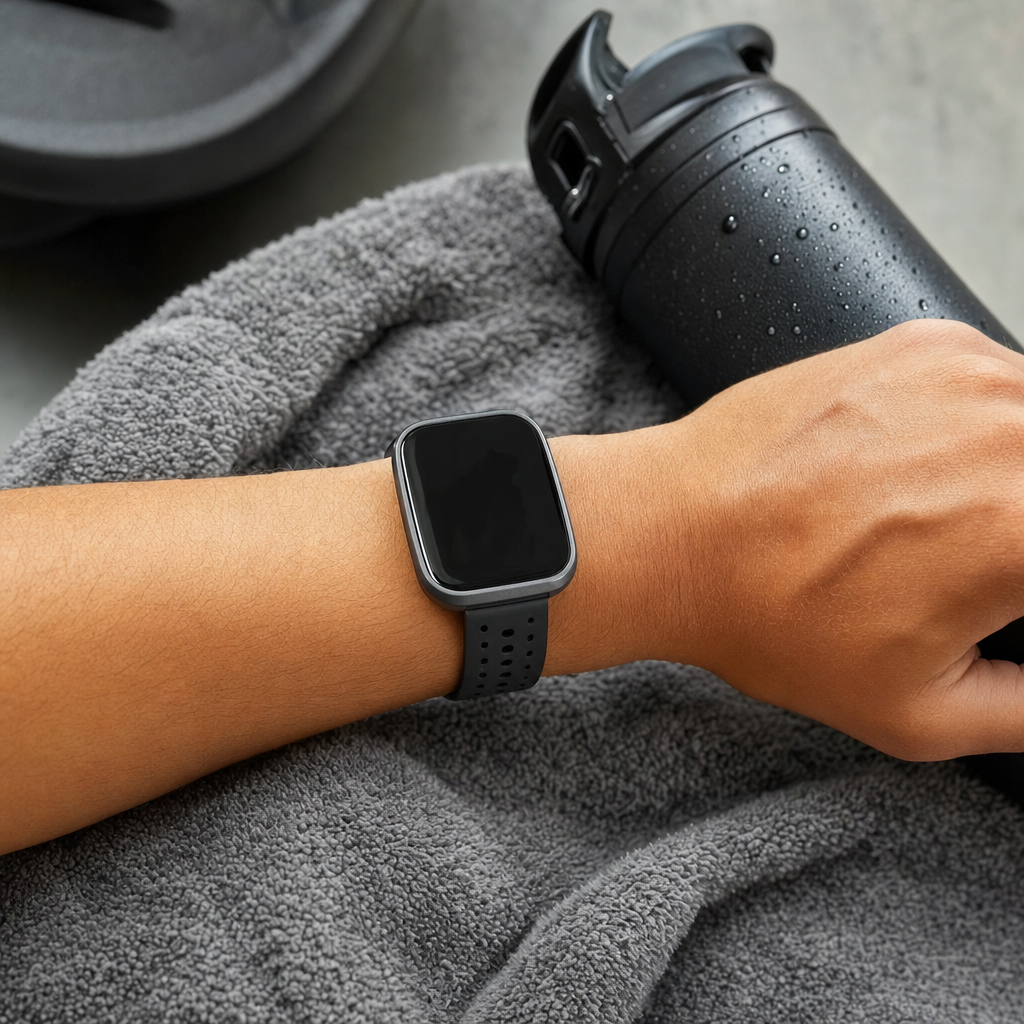
Understanding the Evolution of Fitness Smartwatches
The modern fitness smartwatch has evolved far beyond the basic step counters and crude digital stopwatches of previous decades. Today, these sophisticated wrist-worn computers function as comprehensive health monitoring hubs that sit comfortably on your arm throughout the day and night. Manufacturers integrate advanced biometric sensors that measure heart rate variability, blood oxygen saturation, skin temperature, and even electrical activity of the heart through built-in electrocardiogram capabilities. This technological leap allows everyday users to gain profound insights into their physical condition without needing specialized laboratory equipment. Whether you are training for a marathon, trying to lose weight, or simply attempting to maintain a more active lifestyle during a sedentary workday, these devices provide continuous data streams that highlight your daily movement patterns and physiological responses to physical exertion.
Beyond basic physiological tracking, contemporary fitness wearables incorporate sophisticated operating systems capable of running third-party applications, storing local music libraries, and facilitating contactless payments. This convergence of lifestyle convenience and rigorous athletic monitoring means you no longer have to choose between staying connected and keeping an accurate record of your physical endeavors. Furthermore, the integration of multi-band GNSS technology ensures that outdoor enthusiasts enjoy precise location mapping, elevation profiling, and distance calculations regardless of dense urban environments or heavy forest canopy. As these sensors become increasingly miniaturized and energy-efficient, users benefit from more lightweight chassis designs that do not sacrifice analytical depth, making 24-seven wearability a comfortable and practical reality for millions of health-conscious individuals worldwide.
Core Metrics and Sensor Technology Explained
At the heart of any reliable fitness wearable lies its sensor suite, which translates physical movement and physiological signals into actionable digital data. Optical heart rate monitors use green, red, and infrared light-emitting diodes combined with photodetectors to measure blood volume changes in your wrist capillaries as your heart pumps. While these optical systems have become remarkably accurate during steady-state aerobic exercises like running or cycling, high-intensity interval training or heavy weightlifting can sometimes cause momentary tracking lags. For users requiring absolute precision during rapid heart rate fluctuations, pairing a dedicated chest strap monitor via Bluetooth provides a reliable alternative while still utilizing the smartwatch for data aggregation and GPS route recording during outdoor sessions.
In addition to pulse monitoring, barometric altimeters track changes in elevation by measuring atmospheric pressure, allowing your device to accurately count flights of stairs climbed and grade steepness during trail hikes. Accelerometers and gyroscopes work in tandem to detect directional changes, body orientation, and repetitive motions, which algorithms interpret to categorize your specific physical activities. Some advanced models also feature bioelectrical impedance analysis sensors to estimate body composition metrics, or optical sensors capable of estimating VO2 max, which serves as a primary indicator of your cardiovascular endurance and overall aerobic fitness capacity over extended training periods.
Matching Device Capabilities to Your Specific Activities
Different athletic pursuits demand vastly different capabilities from a wearable device, making it crucial to evaluate your primary hobbies before selecting a fitness smartwatch. Runners and cyclists generally prioritize robust GPS tracking accuracy, battery longevity during long-distance endurance sessions, and customizable data screens that display pace, cadence, and heart rate zones at a glance. Conversely, swimmers and triathletes require high water resistance ratings, typically measured up to fifty meters or atmospheric pressure equivalents, along with stroke recognition algorithms that can automatically differentiate between freestyle, breaststroke, and backstroke movements in indoor pools or open water environments.
Strength athletes, cross-training enthusiasts, and practitioners of yoga or pilates benefit most from devices that offer extensive movement libraries, rep-counting capabilities, and rest-timer features. These specialized modes help maintain structural integrity during weightlifting routines by logging sets, weights, and specific muscle groups targeted throughout the session. Outdoor adventurers engaging in mountaineering or backpacking require ruggedized chassis constructions, scratch-resistant sapphire crystal glass displays, and emergency features like crash detection or offline topographic maps to ensure safety in remote wilderness settings where cellular connectivity is completely absent.
Evaluating Battery Life, Ecosystems, and Hardware Design
Battery longevity remains one of the most polarizing factors when evaluating fitness wearables, as it directly dictates how frequently you must interrupt your tracking routine to charge the device. Full-featured smartwatches with bright AMOLED displays and expansive app ecosystems typically require daily or bi-daily charging sessions, which can be inconvenient if you rely heavily on overnight sleep tracking and continuous recovery metrics. On the other hand, dedicated sports watches often utilize memory-in-pixel display panels or monochrome screens, sacrificing vibrant graphic animations to achieve multi-week battery performance on a single charge while still maintaining precise satellite tracking and round-the-clock biometric logging.
The software ecosystem surrounding your device is equally critical, as the companion smartphone app determines how easily you can interpret your collected data, analyze trends, and share progress with coaches or peers. Furthermore, hardware ergonomics dictate whether you will actually enjoy wearing the device during strenuous exercise or while sleeping. Band materials range from breathable silicone designed for heavy perspiration to stainless steel and titanium links intended for formal wear, while case sizing options ensure that individuals with smaller or larger wrists can achieve a snug, secure fit necessary for accurate optical heart rate readings.
Practical Considerations and Setup Best Practices
Maximizing the utility of your fitness wearable requires thoughtful initial configuration and proper physical placement on your wrist during workouts. To ensure optimal sensor accuracy, the watch band should be fastened snugly about one finger’s width above your wrist bone to prevent excessive bouncing during high-impact running strides while avoiding overly tight constriction that restricts local blood flow. Regularly cleaning the underside of the watch casing and the band with mild soap and water prevents salt and sweat accumulation, which can otherwise irritate sensitive skin or obstruct optical sensor windows over prolonged periods of daily use.
Customizing your notification preferences and display layouts significantly enhances your user experience by reducing digital distractions during focused workout sessions while keeping essential metrics immediately visible. Consider establishing personalized heart rate zones based on your actual age and resting measurements rather than relying solely on generic default formulas calculated by the software. Finally, keeping your device firmware updated ensures that you benefit from ongoing algorithmic improvements, bug fixes, and newly introduced health tracking features that manufacturers frequently release to enhance device longevity and overall performance capabilities.
Checklist for Choosing a Fitness Wearable
Navigating the vast array of available fitness wearables can be simplified by following a structured evaluation process focused on your personal lifestyle and exercise habits. Use the following structured checklist to determine which core features matter most for your specific routine before committing to a specific hardware platform or operating ecosystem.
- Identify your primary athletic activities such as running, swimming, weightlifting, or casual walking.
- Determine your battery life threshold, deciding whether daily charging is acceptable or multi-week stamina is required.
- Check smartphone compatibility to ensure seamless synchronization with your iOS or Android mobile device.
- Evaluate sensor requirements, noting if dedicated GPS, ECG, or blood oxygen monitoring are essential for your goals.
- Assess physical comfort, strap materials, and display readability under bright outdoor sunlight.
Frequently Asked Questions
Do I need a cellular connection on my fitness smartwatch?
A cellular connection is not strictly necessary for fitness tracking. It allows you to receive calls, stream music, and send messages without your phone nearby, but it also increases device cost and drains battery life much faster during workouts.
How accurate are optical wrist heart rate monitors?
Optical wrist sensors are generally very accurate for steady-state cardio like running or cycling. However, they can experience momentary lags during high-intensity interval training or weightlifting due to rapid muscle flexion and wrist movement.
Can fitness smartwatches track sleep stages automatically?
Yes, most modern fitness wearables automatically track your sleep duration, restless moments, and estimated sleep stages including light, deep, and REM sleep by analyzing your movement and heart rate variability throughout the night.
Are all fitness smartwatches waterproof for swimming?
Not all smartwatches are designed for swimming. You must check the manufacturer specifications for swim-proofing or specific water resistance ratings, typically requiring at least a 5 ATM rating before wearing the device in pools or open water.
Article Was Generated By AI.