
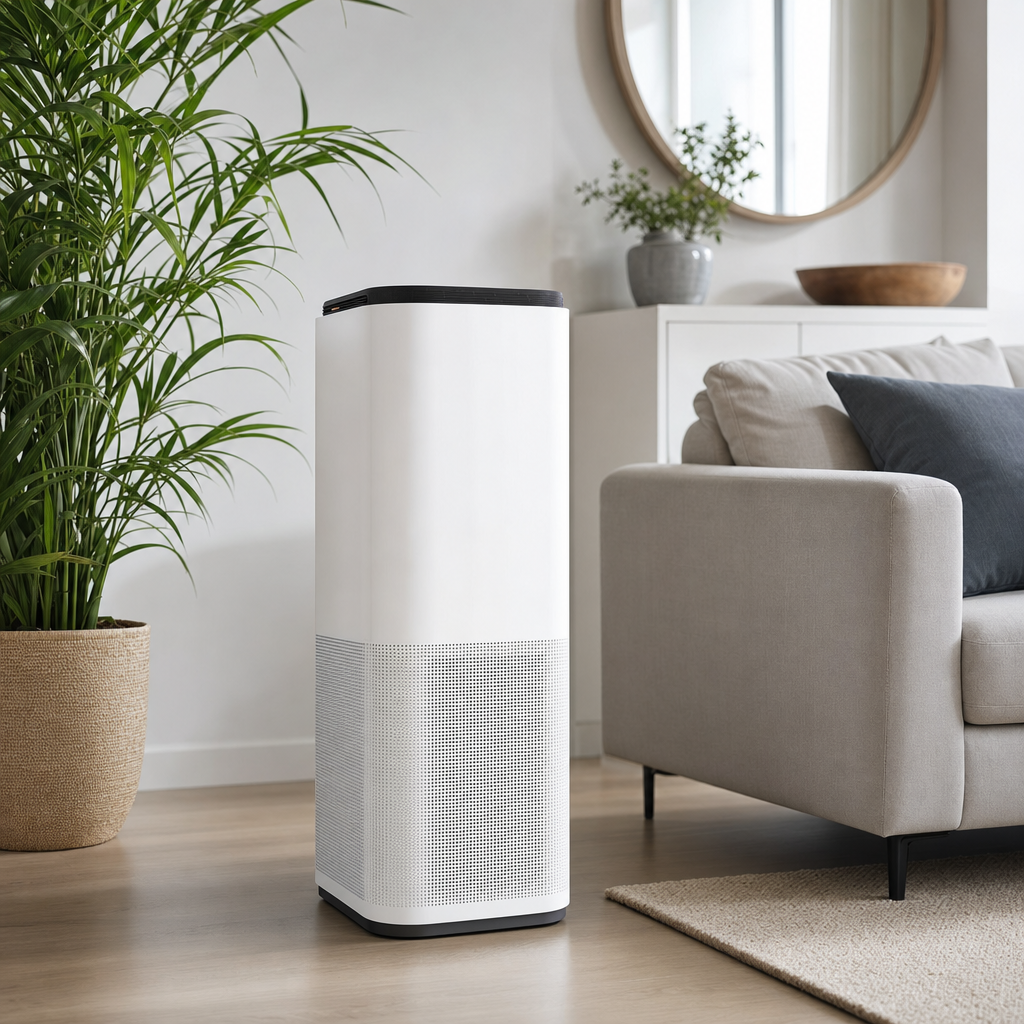
Understanding How Indoor Air Filtration Works
Indoor air quality is a growing concern for many households seeking to maintain a clean living environment. Air purifiers are designed to capture airborne particles, pollutants, and allergens as air circulates through a specialized housing unit. Inside these devices, an internal fan draws surrounding air inward, forcing it through one or more filtration layers that trap microscopic debris. The cleaned air is then released back into the room, continuously reducing the concentration of suspended particles over time. Understanding this fundamental cycle helps consumers evaluate how different mechanical designs impact overall room air exchange rates and particulate reduction efficiency.
The effectiveness of any purification unit heavily depends on the quality and configuration of its internal filters. Most modern systems rely on a multi-stage filtration approach to handle various particle sizes simultaneously. A preliminary mesh screen typically catches large pet hair and dust bunnies, protecting the finer inner layers from premature clogging. Following this, advanced media captures smaller microscopic threats like pollen, mold spores, and fine dust. Additional chemical filtration layers often utilize activated carbon to adsorb household odors, volatile organic compounds, and gaseous pollutants, providing a comprehensive cleanup approach for complex indoor environments.
Key Terminology: HEPA, CADR, and ACH Explained
Navigating technical specifications requires familiarity with industry standards like True HEPA, which stands for High-Efficiency Particulate Air. To earn this designation, a filter must trap 99.97 percent of airborne particles that measure down to 0.3 microns in size. This specific measurement threshold represents the most penetrating particle size, meaning the filter is even more efficient at capturing particles both larger and smaller than 0.3 microns. When researching models, consumers frequently encounter this standard as a reliable benchmark for capturing common allergens such as dust mites, pet dander, and microscopic fungal spores circulating within a typical residential room.
Beyond filtration efficiency, performance is measured using metrics like CADR, or Clean Air Delivery Rate, established by home appliance associations. CADR indicates the volume of filtered air delivered by the purifier, expressed in cubic feet per minute for specific pollutants like smoke, dust, and pollen. A higher CADR number signifies a faster cleaning speed, making it essential to match this rating with your room dimensions. Closely related is the Air Changes per Hour metric, which calculates how many times the total volume of air in a room is completely filtered within a sixty-minute timeframe, with most experts recommending four to five hourly exchanges for allergy sufferers.
Matching Unit Capacity to Your Specific Room Dimensions
Selecting an appropriately sized device is critical for achieving optimal air quality results in residential settings. Manufacturers typically provide a square footage rating for each model, calculated under standard ceiling height conditions of about eight feet. Placing a compact desktop purifier inside a sprawling open-concept living area will yield disappointing results because the unit lacks the volumetric processing power required. Conversely, operating an oversized industrial unit in a tiny bedroom might generate excessive noise and airflow disruption without offering meaningful performance advantages over a properly scaled model designed specifically for smaller personal spaces.
Room layout, architectural features, and furniture placement also influence how effectively a purifier circulates and cleans indoor air. Units operate best when positioned centrally with unobstructed clearance on all sides, allowing unrestricted airflow intake and exhaust distribution. Blockages caused by heavy drapes, tightly packed bookshelves, or positioning the appliance inside a tight corner can severely restrict performance. For homes with distinct multi-room layouts, relying on a single centralized unit is rarely sufficient; instead, addressing priority zones like bedrooms and main living areas with dedicated individual devices ensures balanced air movement throughout the entire household footprint.
Evaluating Operational Noise, Energy Use, and Ongoing Maintenance
Daily usability extends far beyond initial purchase considerations, encompassing acoustic output, electrical consumption, and routine upkeep requirements. Because these appliances often run continuously, especially in sleeping quarters, sound levels measured in decibels matter significantly. Low fan speeds generally produce a gentle white noise hum that many find unobtrusive, whereas maximum boost settings can generate noticeable fan roar. Checking manufacturer specifications for quiet sleep modes ensures the appliance will not disrupt rest while still maintaining a baseline level of continuous nighttime filtration across the bedroom environment.
Ongoing financial commitments associated with air purifiers primarily involve electricity consumption and scheduled replacement filter purchases. Most standard units consume relatively modest amounts of power, comparable to a standard household light bulb, though high-powered models draw more wattage when running at maximum capacity. Replacement intervals vary widely depending on operating hours and local air pollution levels, typically requiring filter swaps every six to twelve months. Factoring these recurring consumable costs into your initial evaluation prevents unexpected expenses and ensures the filtration media remains effective over years of continuous household operation.
Practical Checklist for Choosing and Positioning Your Device
Making an informed decision involves synthesizing various technical factors into a practical checklist tailored to your household needs. Start by measuring the exact square footage of your target room to establish minimum CADR requirements for smoke, dust, and pollen filtration. Next, examine whether household members suffer from specific sensitivities that demand specialized filtration layers, such as activated carbon for chemical sensitivities or medical-grade HEPA for severe allergen reduction. Finally, review physical dimensions, control panel usability, and availability of replacement filters to guarantee long-term convenience and reliable maintenance routines.
- Calculate room square footage and verify corresponding CADR ratings.
- Ensure the unit features a certified True HEPA filtration layer.
- Check decibel ratings to guarantee quiet operation for bedrooms.
- Confirm the availability and ongoing cost of replacement filters.
- Plan a centralized placement location with unobstructed airflow clearance.
Proper installation and mindful daily operation maximize the lifespan and efficiency of your chosen air purification hardware. Keep doors and windows closed while the appliance runs to prevent unfiltered outdoor pollutants from immediately overwhelming the internal filtration media. Clean the exterior intake grilles and pre-filters monthly using a soft brush or vacuum attachment to remove accumulated dust bunnies and pet hair before they restrict airflow. Maintaining these simple upkeep habits preserves motor health and ensures consistent particulate capture performance throughout changing seasonal environmental conditions.
Frequently Asked Questions About Air Purifiers
Do air purifiers completely eliminate dust from household surfaces?
No, purifiers capture airborne dust floating through the room, but they cannot remove settled dust already resting on furniture, floors, and carpets. Regular vacuuming and dusting remain necessary alongside air purification.
Can air purifiers help reduce indoor allergy and asthma symptoms?
Yes, models equipped with True HEPA filters effectively capture microscopic allergens like pollen, mold spores, pet dander, and dust mite debris, which significantly helps minimize allergic triggers for sensitive individuals.
How often do air purifier filters actually need to be replaced?
Most manufacturers recommend replacing HEPA filters every six to twelve months, while carbon pre-filters often require replacement every three to six months depending on usage frequency and local air quality.
Should I leave my air purifier running continuously throughout the day?
Yes, running the appliance 24/7 on a moderate or low fan speed maintains a consistent baseline of clean air and prevents pollutant accumulation, utilizing minimal electricity while ensuring optimal indoor air quality.
Article Was Generated By AI.