
Understanding Your Coffee Brewing Preferences
When searching for the absolute best coffee maker, the journey always begins with understanding your personal palate and daily lifestyle demands. Not every coffee lover desires a strong, thick espresso first thing in the morning; some prefer a smooth, clean mug of pour-over style drip coffee, while others want a rich French press or a quick single-serve pod. Assessing how many cups you consume daily helps narrow down whether you need a large multi-cup carafe or a compact single-serve machine that brews directly into a travel mug. Additionally, consider who else might be using the device, because a bustling household with multiple caffeine drinkers requires a completely different capacity and speed profile than a quiet apartment where one person enjoys a leisurely single cup.
Another critical factor in defining your ideal brewing preference is temperature consistency and extraction time, both of which drastically influence flavor notes. Premium drip machines often feature advanced heating elements certified by the Specialty Coffee Association, ensuring water reaches the optimal range between 195 and 205 degrees Fahrenheit. If water is too cool, your grounds under-extract, resulting in a sour and watery cup, whereas excessively hot water scorches the coffee and leaves a bitter, unpleasant aftertaste. Exploring these baseline technical requirements helps you filter out basic models that merely heat water and dump it haphazardly over the basket, guiding you toward engineering that actually respects the delicate aromatic compounds locked inside roasted coffee beans.
Exploring Popular Machine Categories and Designs
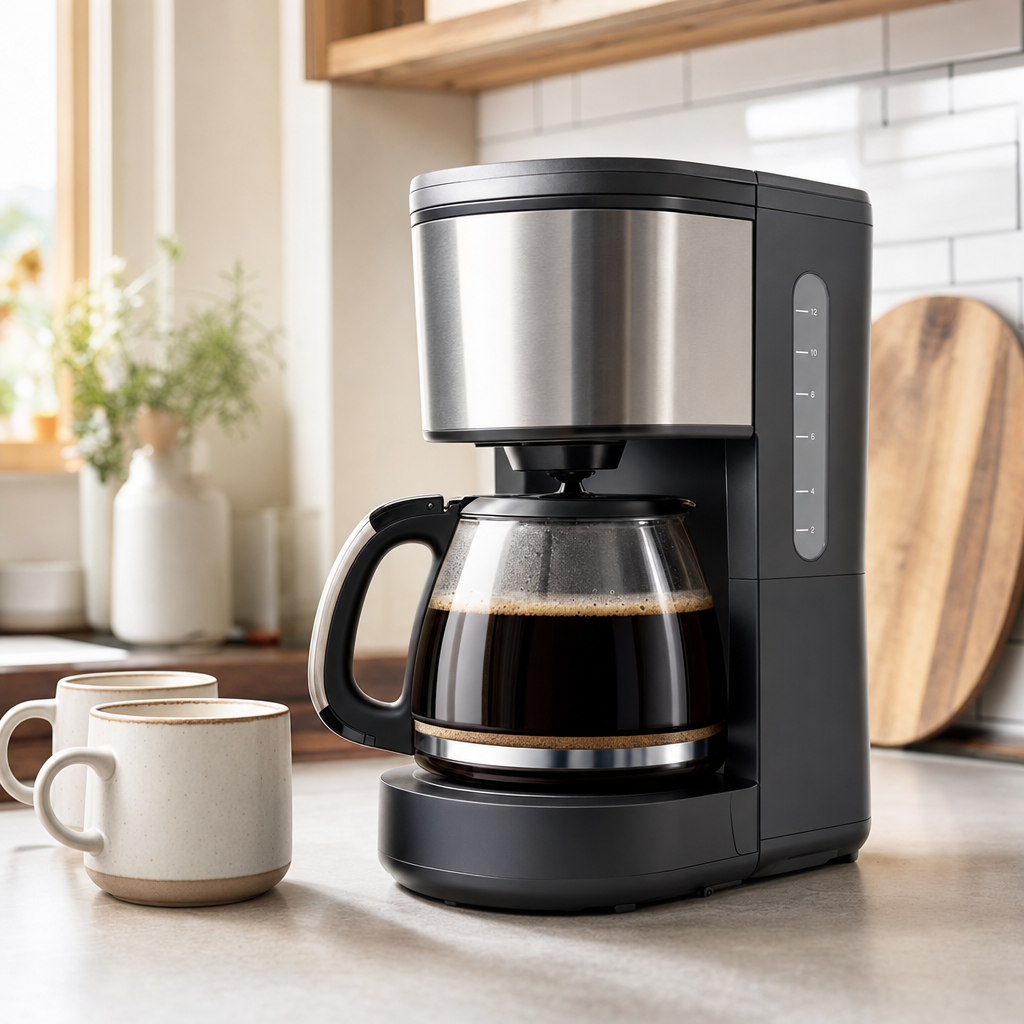
The modern market offers a diverse array of coffee maker categories, each utilizing distinct mechanics to extract flavors from roasted beans. Traditional drip coffee makers remain immensely popular due to their straightforward operation, large capacities, and ability to keep a full pot warm for hours using thermal or glass carafes. Single-serve pod machines revolutionized convenience by eliminating cleanup and measuring, though they introduce recurring costs and environmental considerations regarding spent plastic or aluminum capsules. Meanwhile, manual and automatic pour-over systems appeal to purists who want total control over the bloom phase, water flow rate, and overall saturation time, yielding a remarkably vibrant and nuanced cup of black coffee that highlights subtle regional tasting notes.
For households that enjoy milky beverages like lattes and cappuccinos, specialized espresso machines or hybrid combo units bridge the gap between simple drip brewing and cafe-quality steam wands. These versatile appliances often integrate built-in burr grinders, allowing you to grind whole beans immediately before extraction for maximum freshness and aroma. Understanding the physical footprint of these various styles is also essential for kitchen ergonomics, as bulky bean-to-cup machines demand significant counter space and vertical clearance under overhead cabinetry. Balancing your desire for advanced features with the physical limitations of your kitchen counter ensures you select a device you will genuinely enjoy using every single day.
Key Features That Elevate a Machine to Greatness
Distinguishing an ordinary appliance from a truly superior coffee maker often comes down to a handful of thoughtful design features and programmable capabilities. Programmable timers allow you to load your grounds and water the night before, waking up to the irresistible aroma of freshly brewed coffee waiting in the kitchen. Thermal carafes are another hallmark of high-end design, keeping your beverage hot for hours through double-walled stainless steel insulation rather than a scorching hotplate that inevitably burns the remaining liquid and ruins its delicate flavor profile. Furthermore, adjustable bloom cycles, flow control valves, and strength selectors give users the flexibility to tailor each individual pot to their exact strength preferences without altering the coffee-to-water ratio.
Water filtration systems integrated directly into the reservoir represent another crucial upgrade for achieving exceptional taste, especially if your local tap water contains high levels of chlorine or minerals. Built-in conical burr grinders take convenience and quality to the next level by ensuring uniform particle size, which prevents over-extraction of fine particles and under-extraction of boulders. Finally, intuitive digital displays, touch controls, and self-cleaning indicator lights make daily operation and long-term upkeep remarkably seamless, removing the guesswork from maintaining complex internal plumbing and heating mechanisms over years of heavy daily use.
- Thermal carafes preserve heat without burning the liquid.
- Built-in burr grinders guarantee fresh, uniform grinds.
- Programmable timers automate your morning routine effortlessly.
- SCA certification ensures precise water temperature control.
- Integrated water filters eliminate unpleasant tap water tastes.
Balancing Upfront Costs with Long-Term Value
Investing in a high-end coffee maker requires careful financial consideration regarding both the initial purchase price and ongoing consumable expenses. While budget-friendly drip machines might cost under fifty dollars, they often utilize cheaper plastic internal components that degrade quickly or fail to maintain stable brewing temperatures over time. Premium machines commanding a higher price tag typically feature durable stainless steel construction, commercial-grade heating elements, and modular parts that can be easily repaired or replaced if something wears out. However, you must also factor in secondary costs such as paper filters, descaling solutions, replacement water filters, and whether you plan to buy whole coffee beans or proprietary single-serve pods.
Purchasing whole beans and grinding them fresh generally lowers your cost per cup compared to branded pods while delivering infinitely superior flavor and reducing household packaging waste. Assessing your budget against your consumption habits reveals the true cost of ownership, helping you realize that spending more upfront on a durable, repairable machine often pays for itself within a couple of years. Additionally, many reputable manufacturers back their premium appliances with robust multi-year warranties, offering peace of mind and protecting your investment against unexpected mechanical failures or manufacturing defects that could otherwise render a cheap machine completely useless.
Maintenance Practices for Longevity and Taste
Even the most advanced coffee maker on the market will quickly produce bitter, unpalatable coffee if it is not subjected to regular cleaning and routine preventative maintenance. Hard water minerals, specifically calcium and magnesium, naturally precipitate inside internal heating tubes during every brew cycle, forming limescale blockages that restrict water flow and lower extraction temperatures. Running a dedicated descaling solution through your machine every one to three months dissolves these mineral buildups, restoring optimal performance and protecting the delicate heating elements from premature burnout. Furthermore, removable brew baskets, carafes, and silicone seals should be washed thoroughly with warm soapy water after each use to eliminate lingering coffee oils that turn rancid and taint subsequent brews.
Establishing a consistent maintenance schedule also prevents mold and bacteria growth in dark, damp areas like water reservoirs and internal tubing loops that rarely dry out completely. Using filtered water in your reservoir drastically reduces the frequency of heavy descaling sessions while significantly improving the clarity and taste profile of your favorite roast. Taking these simple preventive steps ensures your investment continues to deliver exceptional performance, delicious flavor, and reliable morning caffeine for many years without requiring costly professional repairs or early replacement.
Frequently Asked Questions About Coffee Makers
What is the ideal water temperature for brewing coffee?
The Specialty Coffee Association recommends water between 195 and 205 degrees Fahrenheit for optimal extraction without burning the grounds.
How often should I clean my coffee maker?
You should wash removable parts like carafes and brew baskets daily, and run a descaling solution through the internal system every one to three months.
Are thermal carafes better than glass carafes with hotplates?
Thermal carafes use double-walled insulation to keep coffee hot for hours without cooking it, preventing the burnt taste caused by traditional hotplates.
Does grinding my own beans really make a noticeable difference?
Yes, whole beans retain their aromatic oils and complex flavor compounds much longer than pre-ground coffee, resulting in a significantly fresher and more vibrant cup.
Article Was Generated By AI.