
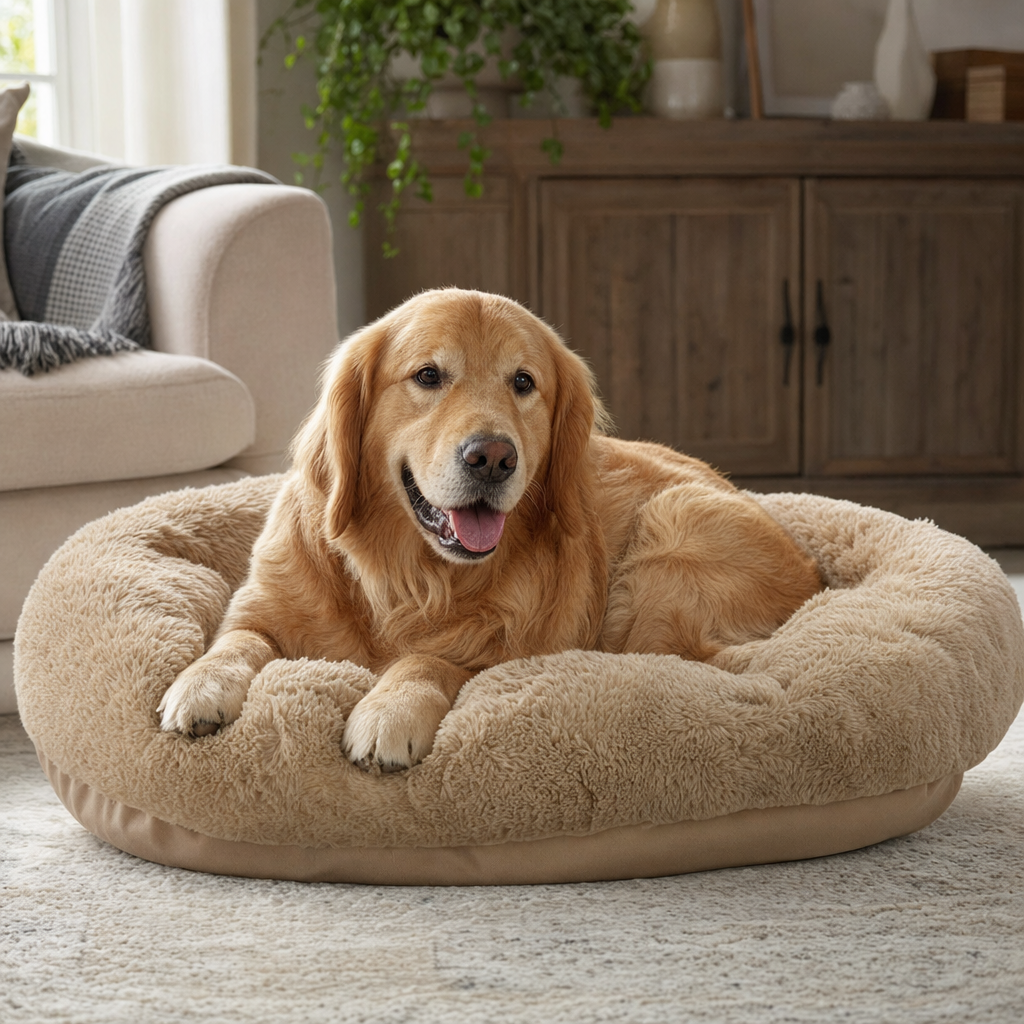
Understanding Why Choosing the Right Sleeping Surface Matters
Every dog spends a significant portion of their daily life resting, dreaming, and recuperating from energetic play sessions. Providing an appropriate sleeping surface goes far beyond mere comfort; it directly impacts their physical health, joint longevity, and overall psychological well-being. Canines, much like humans, require proper spinal alignment and pressure relief during sleep to prevent stiffness and muscle fatigue. When evaluating options, owners should look past aesthetic appeal and focus heavily on how well the structure accommodates their pet’s weight distribution and resting posture.
Young puppies, active working dogs, and aging seniors all have vastly different physiological requirements when it comes to nocturnal rest. A growing puppy might simply need something durable and washable to withstand occasional chewing and accidents, while a senior dog suffering from canine arthritis demands specialized support to ease chronic joint discomfort. Ignoring these nuanced requirements can lead to restless nights, increased anxiety, and exacerbated physical ailments over time. Taking the time to understand your dog’s unique needs ensures that their resting space acts as a true sanctuary of health.
Core Categories of Resting Spaces Available on the Market
The modern market offers an impressive array of designs, each engineered to suit specific sleeping styles and spatial constraints within your home. Traditional cushion-style mats resemble oversized pillows and work wonderfully for dogs who like to sprawl out completely flat on their sides. These versatile options can be moved easily from room to room, though they typically offer minimal orthopedic support for larger breeds. Standard plush designs are widely available, affordable, and suited for healthy dogs who do not require specialized medical intervention for their joints.
Bolster designs feature raised edges along one or more sides, creating a secure boundary that many animals instinctively crave for head-resting and burrowing. These bolstered walls provide a sense of security and enclosure, making them a favorite for anxious dogs or breeds that naturally curl into tight little balls. Cave or hood designs take this security concept a step further by adding a blanket-like top covering, which appeals strongly to burrowing terriers and hairless breeds seeking extra warmth during chilly weather conditions.
Evaluating Internal Support Materials and Foam Technologies
Beneath the fabric cover lies the most critical component of any resting space: the internal core material. Cheap polyester fiberfill might feel fluffy initially, but it compresses rapidly under body weight, leaving the animal essentially sleeping on the hard floor within a few weeks of regular use. Higher-quality alternatives incorporate shredded memory foam, which contours to body shapes while retaining a decent amount of bounce and resilience against daily wear and tear over extended periods.
Solid orthopedic memory foam represents the gold standard for heavy breeds and senior animals suffering from hip dysplasia or arthritis. This medical-grade material evenly distributes body weight across the entire surface, effectively eliminating painful pressure points on elbows, hips, and shoulders. Gel-infused memory foam variations actively dissipate trapped body heat, preventing your pet from overheating during warm summer nights. Egg-crate foam offers a budget-friendly middle ground, providing decent airflow and contouring support without the higher price tag associated with solid slabs.
Key Considerations for Size, Measurement, and Placement
Selecting the correct dimensions requires more than just guessing your dog’s weight category based on breed generalizations alone. The most reliable method involves measuring your dog from the tip of their nose to the base of their tail while they are fully stretched out asleep, then adding several inches to account for shifting positions. Many owners make the mistake of buying something too small, forcing their companion to hang off the edges, which defeats the ergonomic purpose of having a supportive cushion in the first place.
Placement within your living environment plays an equally vital role in how frequently your dog will actually use their designated resting area. Dogs are social animals that prefer sleeping in areas where they can keep an eye on family activities, yet they also appreciate quiet corners free from heavy foot traffic and cold drafts. Placing the structure near radiators or in direct, intense sunlight can cause overheating, while damp basements or uninsulated concrete floors can draw away vital body heat during colder months of the year.
To help guide your selection process, consider evaluating the following practical factors before making a final choice for your household:
- Measure your dog’s length and height while they are sleeping in their favorite stretched-out posture.
- Check if the outer cover features a heavy-duty zipper and is fully machine washable for easy hygiene maintenance.
- Assess your dog’s chewing habits to determine if a heavy-duty, chew-resistant fabric is necessary.
- Consider waterproof internal linings to protect delicate memory foam from accidental spills or incontinence.
Maintenance, Cleaning, and Hygiene Best Practices
Maintaining a clean resting environment is essential for controlling household allergens, pet odors, shedding dander, and unwanted parasites like fleas or ticks. Removable, machine-washable outer covers make routine laundering straightforward, allowing owners to wash away accumulated oils and dirt on a weekly or bi-weekly basis. Always follow the manufacturer’s specific washing instructions carefully to prevent fabric shrinkage, zipper damage, or breakdown of specialized waterproof backings engineered into the textile construction.
Protecting the inner core from moisture is equally important because trapped dampness can quickly foster mold, mildew, and persistent bacteria growth. If the inner core lacks an integrated waterproof membrane, investing in a separate waterproof encasement can significantly extend the lifespan of expensive memory foam. Regular vacuuming of the surface between washings helps remove loose hairs and surface debris, keeping the resting area fresh and inviting for your canine companion throughout its daily lifecycle.
Frequently Asked Questions
How do I know if my dog needs an orthopedic bed?
Orthopedic support is ideal for senior dogs, large breeds, and animals showing signs of joint stiffness, arthritis, or difficulty rising from the floor.
What is the best way to clean a dog bed that cannot be machine washed?
Spot clean stains with a pet-safe enzymatic cleaner, sprinkle baking soda to absorb odors, vacuum thoroughly, and let it air dry completely in the sun.
How often should a dog bed be replaced?
Most options should be replaced every one to three years, depending on foam degradation, fabric wear, and how easily the interior retains persistent odors.
Why does my dog scratch or dig at their bed before lying down?
This is an instinctive ancestral behavior meant to flatten bedding, create a comfortable temperature microclimate, and mark their territory with scent glands.
Article Was Generated By AI.