
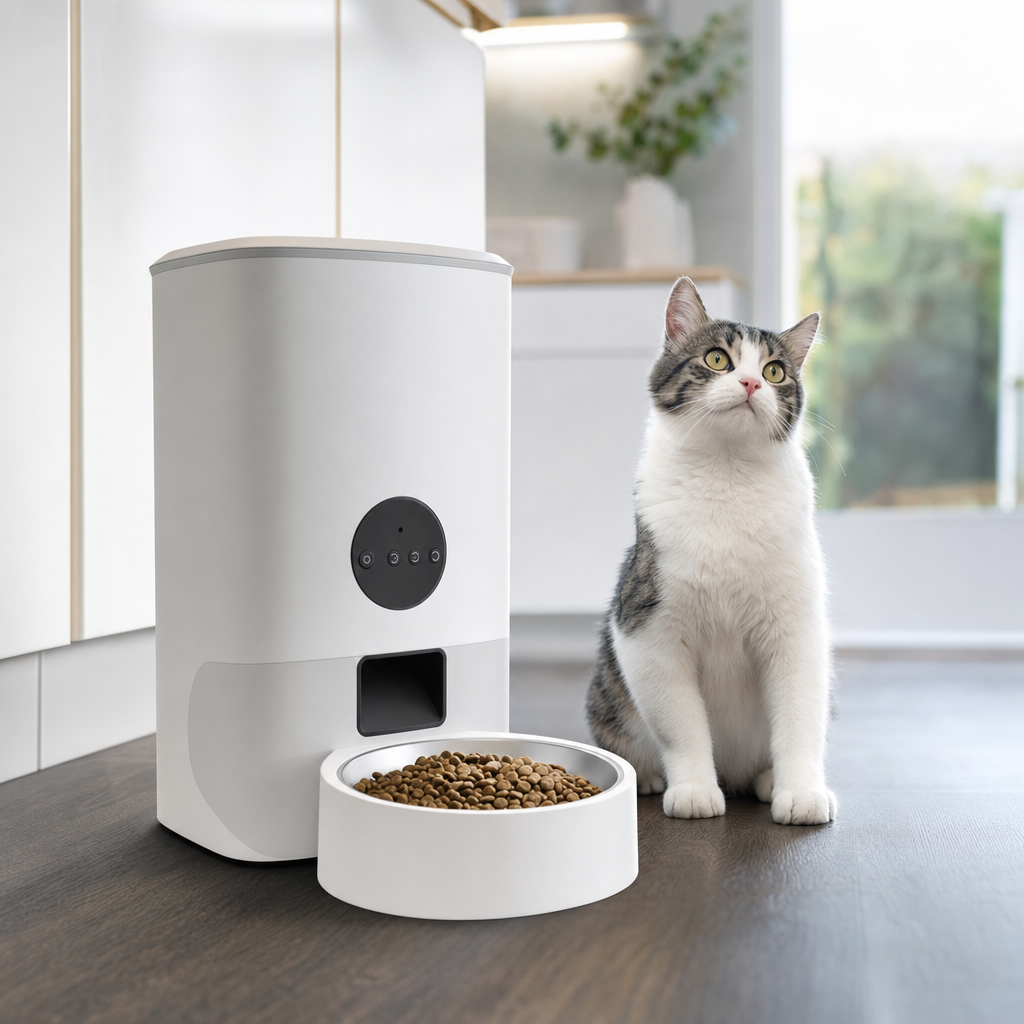
Understanding Automatic Pet Feeders and How They Work
When searching for the best automatic pet feeder, it helps to understand the fundamental mechanics behind these devices. At their core, these gadgets are designed to dispense pre-measured portions of dry or semi-moist food at scheduled times throughout the day, removing the guesswork from daily pet care. Traditional gravity-fed models rely simply on an overhead hopper that drops more kibble into the bowl as the pet eats, which works well enough for independent eaters who know how to regulate their own intake. However, advanced electronic models utilize digital timers, motorized internal augers, and programmable microchips to deliver precise amounts of food exactly when you want it, ensuring your furry companion never misses a meal even if your schedule gets chaotic.
Modern advancements have transformed these basic kitchen appliances into sophisticated smart home hubs equipped with Wi-Fi connectivity, high-definition cameras, and microphone-speaker systems. This evolution allows pet owners to monitor their cats or dogs remotely, dispense bonus treats with the tap of a smartphone screen, and receive instant push notifications whenever a scheduled meal is successfully dispensed or if the food hopper is running low. Such features are particularly beneficial for busy professionals, frequent travelers, or individuals managing pets with strict dietary requirements that demand absolute punctuality. By bridging the gap between manual care and complete autonomy, these devices help maintain household routines while offering constant reassurance that your pets are well-fed and happy.
Key Features to Evaluate Before Making a Choice
Evaluating the sheer variety of available models requires focusing on features that directly impact daily usability and your pet’s safety. Capacity is one of the most critical factors, as hoppers range from small units holding a few cups of food to massive containers storing over twenty pounds of kibble for multi-pet households or large dog breeds. You should also examine the power source options carefully; units that offer both AC wall adapter connectivity and battery backup systems ensure that feeding schedules remain uninterrupted during unexpected household power outages. Furthermore, consider the anti-jam mechanisms built into the dispensing chute, since irregularly shaped kibble can sometimes cause blockages that leave hungry pets staring at an empty bowl unless the motor can automatically reverse and clear the obstruction.
Portion control precision separates mediocre devices from the best automatic pet feeder options on the market. Look for machines that allow you to adjust meal sizes in very small increments, such as teaspoon or tablespoon adjustments, rather than rigid half-cup jumps that might overfeed a delicate cat. Material composition is another vital consideration for health and hygiene, as removable food bowls made from stainless steel or ceramic are generally superior to cheap plastics that harbor bacteria and frequently cause feline acne. Additionally, twist-lock lids and secure latches are essential for keeping clever pets from figuring out how to pry open the hopper and binge on the entire supply of stored food between scheduled meals.
- Hopper capacity matching your pet’s daily consumption rate
- Dual power supply with reliable battery backup capabilities
- Stainless steel or ceramic bowls for easy and hygienic cleaning
- Secure locking mechanisms to prevent clever pets from raiding the food
- Programmable portion settings with fine-tuned measurement increments
Matching the Device Type to Your Pet’s Specific Needs
Different pets have drastically different eating habits, meaning that a device designed for an independent cat might fail completely when used for an enthusiastic golden retriever. Cats are notoriously grazers who often prefer multiple tiny meals throughout the day and night, making programmable digital dispensers with frequent small-portion capabilities an ideal fit for feline households. Conversely, many dogs inhale their food the moment it hits the bowl, which can lead to dangerous medical conditions like gastric dilatation-volvulus or simple digestive upset. For these fast eaters, specialized slow-feed attachments or bowl inserts compatible with your chosen machine can help pace their consumption and promote healthier digestion without requiring your constant supervision.
Multi-pet households face unique challenges that require specialized hardware, such as microchip-activated feeders that recognize individual collars or implanted microchips to restrict access to specific animals. This technology prevents dominant pets from stealing prescription diets meant for older, ailing companions or simply gorging themselves on double portions while thinner pets go hungry. When researching options for households with multiple animals, you must weigh the cost and complexity of purchasing individual smart feeders against the simplicity of training pets to eat in separate, closed rooms while a centralized standard dispenser handles the general feeding routine.
Practical Guidance on Setup, Maintenance, and Training
Transitioning your pet to a mechanized feeding routine requires patience and a gradual introduction to ensure they do not develop anxiety around the whirring sounds of the motor. Start by placing the turned-off device near their traditional food bowl for a few days so they can investigate it, then manually dispense a few treats from it so they associate the machine with positive rewards. Once they show curiosity rather than fear, program a single mealtime while continuing to offer their other meals manually, gradually increasing the automated feedings over the course of a week until your pet fully understands and trusts the new appliance.
Regular maintenance is crucial for keeping your automatic pet feeder sanitary and functioning smoothly over years of continuous daily use. You should establish a weekly routine of disassembling the removable hopper, chute, and bowl to wash them with warm soapy water, thoroughly drying every component before reloading fresh food to prevent mold growth or rancid oil buildup. Additionally, wipe down the exterior sensors and camera lenses with a dry microfiber cloth to ensure infrared detection systems continue operating accurately and Wi-Fi video streams remain crystal clear for remote monitoring throughout the day.
Weighing Considerations for Long-Term Reliability
Investing in long-term reliability means looking past flashy marketing claims and examining build quality, manufacturer warranties, and customer support availability. Cheaper mechanical gears inside low-end motors often strip or wear down after a few months of dispensing hard kibble, whereas reputable brands utilize heavy-duty components designed for years of trouble-free operation. Reading user reviews that specifically mention longevity after six months or a year of continuous use provides valuable insight into whether a particular model will stand up to the daily demands of your specific pet’s feeding schedule without unexpected mechanical failures.
Environmental factors in your home should also influence your choice of hardware placement and food storage capacity. If you live in a humid climate, selecting a feeder with a truly airtight rubber gasket seal and a built-in desiccant compartment is essential for keeping kibble fresh, crunchy, and appealing to your pet over weeks of storage. Placing the unit away from direct sunlight and high-traffic areas also prevents the food from degrading in quality while giving your pet a quiet, stress-free space to enjoy their scheduled meals without feeling rushed or crowded by other household activities.
Frequently Asked Questions
Can automatic pet feeders handle wet or canned food?
Most automatic feeders are designed exclusively for dry kibble. However, specialty models feature refrigerated compartments and ice pack slots specifically to keep canned wet food fresh for single meals.
What happens during a power outage?
Quality automatic pet feeders include a battery backup compartment that keeps internal clocks and scheduled dispensing mechanisms fully functional when household electricity fails unexpectedly.
How do I stop my clever cat from breaking into the feeder?
Look for models equipped with secure twist-lock lids, heavy-duty latches, and low center-of-gravity designs that resist tipping, scratching, and pawing attempts by persistent pets.
Are smart app-connected feeders difficult to set up?
Most modern smart feeders pair with standard mobile apps via Bluetooth and Wi-Fi within minutes, guiding you step-by-step through account creation, time zone syncing, and schedule configuration.
Article Was Generated By AI.