
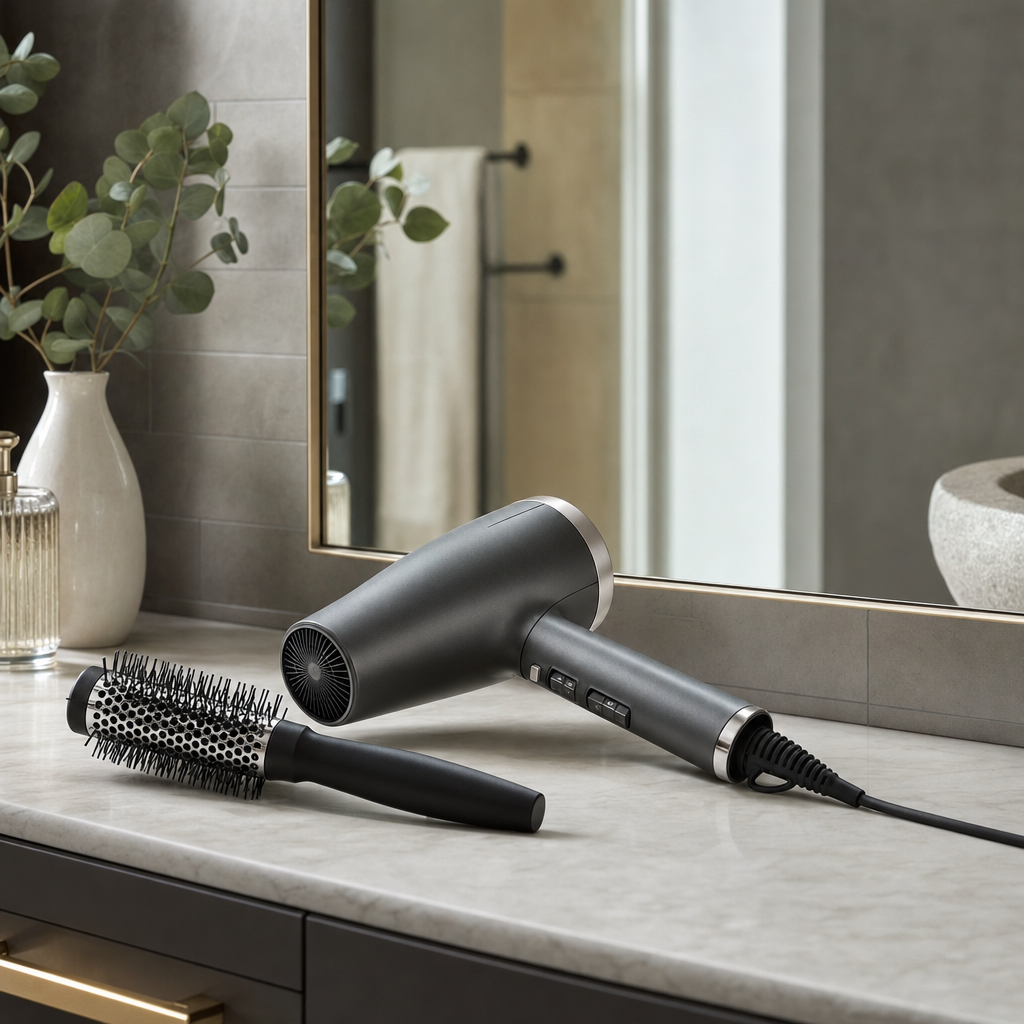
Understanding Modern Blow Dryer Technology
The search for the best hair dryer often begins with understanding the core technologies that power these everyday styling tools. Older models relied simply on a basic heating coil and a standard fan, which frequently led to uneven temperatures, excessive heat damage, and prolonged drying times. Today, modern engineering has transformed these devices into sophisticated beauty appliances that prioritize hair health, energy efficiency, and ergonomic design. Manufacturers now integrate advanced internal components such as brushless digital motors and precision thermostats that measure air temperature dozens of times per second to prevent overheating. These innovations ensure that airflow is both powerful and consistent, reducing the mechanical stress placed on wet hair cuticles during the drying process.
Another major technological leap in contemporary blow dryers is the incorporation of ionic and ceramic components. Ceramic and tourmaline elements help distribute thermal energy more evenly across the barrel, producing a gentler, infrared heat that penetrates the hair shaft from the inside out rather than merely scorching the surface. Meanwhile, ionic generators release millions of negative ions designed to break down water droplets rapidly while smoothing down the hair cuticle. This dual action minimizes frizz, enhances natural shine, and locks in vital moisture. Understanding these underlying mechanisms allows you to look beyond marketing buzzwords and evaluate tools based on how their specific technological features will interact with your unique hair texture.
Key Features to Evaluate Before Making a Choice
When evaluating various styling tools to find the best hair dryer for your routine, examining the motor type and power output is a crucial first step. Traditional DC motors are lightweight and affordable, making them common in travel-sized or budget-friendly models, though they typically offer a shorter lifespan and less wind velocity. Conversely, professional-grade AC motors and newer digital brushless motors provide significantly higher airflow speeds, greater durability, and a quieter operating decibel level. A high-velocity motor is particularly beneficial for those with thick, coarse, or long hair, as it physically pushes water out of the strands much faster, minimizing the total duration of heat exposure.
Weight distribution and ergonomic design are equally important factors that are frequently overlooked until you are holding the device overhead for fifteen minutes. A poorly balanced dryer can place unnecessary strain on your wrist, shoulder, and forearm, leading to discomfort during daily styling sessions. Look for appliances that feature a comfortable grip, intuitive button placement that prevents accidental switching of heat settings, and a sufficiently long power cord with a hanging loop. Additionally, removable air intake filters are essential for maintenance; cleaning out accumulated dust and stray hairs prevents motor overheating and extends the overall operational lifespan of the device.
Matching Specifications to Your Unique Hair Type
No single blow dryer is universally ideal for every individual, because fine hair has vastly different requirements than thick, curly, or chemically treated hair. If you have fine or fragile strands, you need a device that offers delicate temperature controls and lower heat settings to prevent thermal scorching and breakage. Using a high-heat setting on fine hair can quickly dehydrate the cuticle, leading to split ends and a brittle texture. Conversely, individuals with thick, dense, or coarse hair require high wattage and powerful airflow velocity to penetrate dense layers and achieve a smooth finish in a reasonable amount of time without wearing out the motor.
Curly and textured hair types benefit immensely from specialized attachments and airflow dynamics that preserve natural curl patterns without causing disruptive frizz. Diffusers are an absolute necessity for curly hair, as they disperse the concentrated stream of air over a wider surface area, gently lifting and defining curls while drying them evenly. On the other hand, individuals striving for a sleek, straight blowout will want a narrow concentrator nozzle that directs high-velocity air precisely down the hair shaft, smoothing the cuticle for a polished, salon-quality result. Evaluating which attachments are included in the box helps ensure the tool accommodates your preferred styling techniques.
Essential Styling Attachments and Their Uses
The versatility of a modern styling tool often comes down to the attachments that accompany the main device in the packaging. Concentrator nozzles are the most common accessory, engineered to compress the airflow into a flat, targeted stream that allows for precise styling when paired with a round brush. A wider concentrator works well for general drying and rough-drying phases, while an ultra-narrow nozzle is ideal for creating sleek, pin-straight finishes that require maximum tension and airflow control. It is important to ensure that these nozzles fit securely onto the barrel and are crafted from heat-resistant materials that will not warp or melt under high operating temperatures.
Diffusers and comb attachments serve entirely different styling purposes and cater to specific hair textures that require specialized care. Diffusers feature long prongs and a wide, bowl-shaped head that cradles sections of hair, distributing heat gently to encourage natural wave formation and volume at the root without creating frizz. Wide-tooth comb attachments, meanwhile, are designed for coily and textured hair types to stretch and detangle strands simultaneously as the warm air flows through. Understanding how to utilize each of these attachments correctly can dramatically improve your daily styling results and protect the structural integrity of your hair.
Proper Maintenance and Safe Drying Practices
Owning a high-performance styling tool requires consistent maintenance to ensure it continues to operate safely and efficiently over many years of use. Dust, lint, and hair strands are constantly drawn into the rear air intake vent during normal operation, gradually restricting airflow and forcing the internal heating elements to work harder than intended. To prevent premature motor burnout, you should unscrew or pop off the rear filter mesh every few months and gently clean away any accumulated debris using a soft brush or a damp cloth. Never operate the appliance if the filter is completely blocked, as this can cause dangerous overheating and potential damage to the internal wiring.
Adopting healthy drying habits is just as important as selecting the right hardware to maintain vibrant, resilient hair over the long term. Always apply a quality thermal protectant spray to damp hair before introducing any form of direct heat, as these products form a microscopic barrier that minimizes moisture loss and protein degradation. Start the drying process on a medium heat and speed setting to remove excess moisture from the roots before switching to higher settings for detailed styling. Finally, finish your session by pressing the cool shot button for a few seconds on each section, which rapidly drops the temperature to set your style and lock in lasting shine.
Frequently Asked Questions About Blow Dryers
How many watts do I actually need in a good blow dryer?
For most hair types, a wattage range between 1,800 and 2,000 watts provides an optimal balance of drying power and safety. Fine or short hair can often be dried effectively with lower wattage, while thick, long, or coarse hair benefits from higher power output.
Are ionic hair dryers genuinely better for reducing frizz?
Yes, ionic hair dryers emit negative ions that break down water molecules much faster than standard heat alone. This technology helps seal the hair cuticle, which significantly reduces static electricity, minimizes frizz, and enhances overall smoothness.
What is the proper way to use the cool shot button?
The cool shot button should be used at the very end of your drying routine on mostly dry hair. Blasting a section of hair with cool air rapidly lowers its temperature, which helps set the cuticle in place and locks your styled shape in position.
How often should I clean the air filter on my device?
It is recommended to inspect and clean the rear air intake filter at least once a month if you use the dryer frequently. Regular cleaning prevents dust buildup, maintains strong airflow, and prevents the motor from overheating.
Article Was Generated By AI.