
Understanding Portable Power Stations
A portable power station functions essentially as a large, rechargeable battery equipped with multiple outlets and charging ports. Unlike traditional gasoline generators, these modern devices operate silently, emit no toxic exhaust fumes, and require virtually no engine maintenance. Inside the rugged outer casing, advanced lithium-ion or lithium iron phosphate chemistry stores electrical energy safely until you need it. Users can charge these units using standard wall outlets, car cigarette lighter adapters, or compatible solar panels when spending time away from the traditional electrical grid.
The versatility of these devices makes them exceptionally popular for a wide variety of applications, ranging from weekend camping trips to emergency home backup scenarios. Because they do not produce carbon monoxide, you can operate them safely inside a tent, camper, or living room without worrying about ventilation hazards. They bridge the gap between traditional power banks designed for smartphones and heavy-duty industrial generators, offering a balanced combination of high energy capacity and physical mobility that fits easily into the trunk of a standard sedan.
Key Specifications to Evaluate
When evaluating your options, understanding technical specifications is crucial to making an informed decision. Capacity, measured in watt-hours (Wh), indicates the total amount of energy the battery can store and deliver over a specific period. For instance, a 500Wh unit can theoretically power a fifty-watt device for approximately ten hours before depleting its reserves. However, real-world efficiency losses mean you should generally expect about eighty to eighty-five percent of the rated capacity to be genuinely usable for your electronic equipment.
Wattage, measured simply in watts (W), represents the maximum power output the station can deliver at any given moment. This metric determines which appliances you can run simultaneously without triggering an overload protection shutdown. You must distinguish between continuous running wattage and surge wattage, which is the higher temporary power required by motor-driven appliances like refrigerators or power tools when they first start up. Always check the power requirements of your most demanding device to ensure the unit can handle the initial startup surge safely.
Common Use Cases and Applications
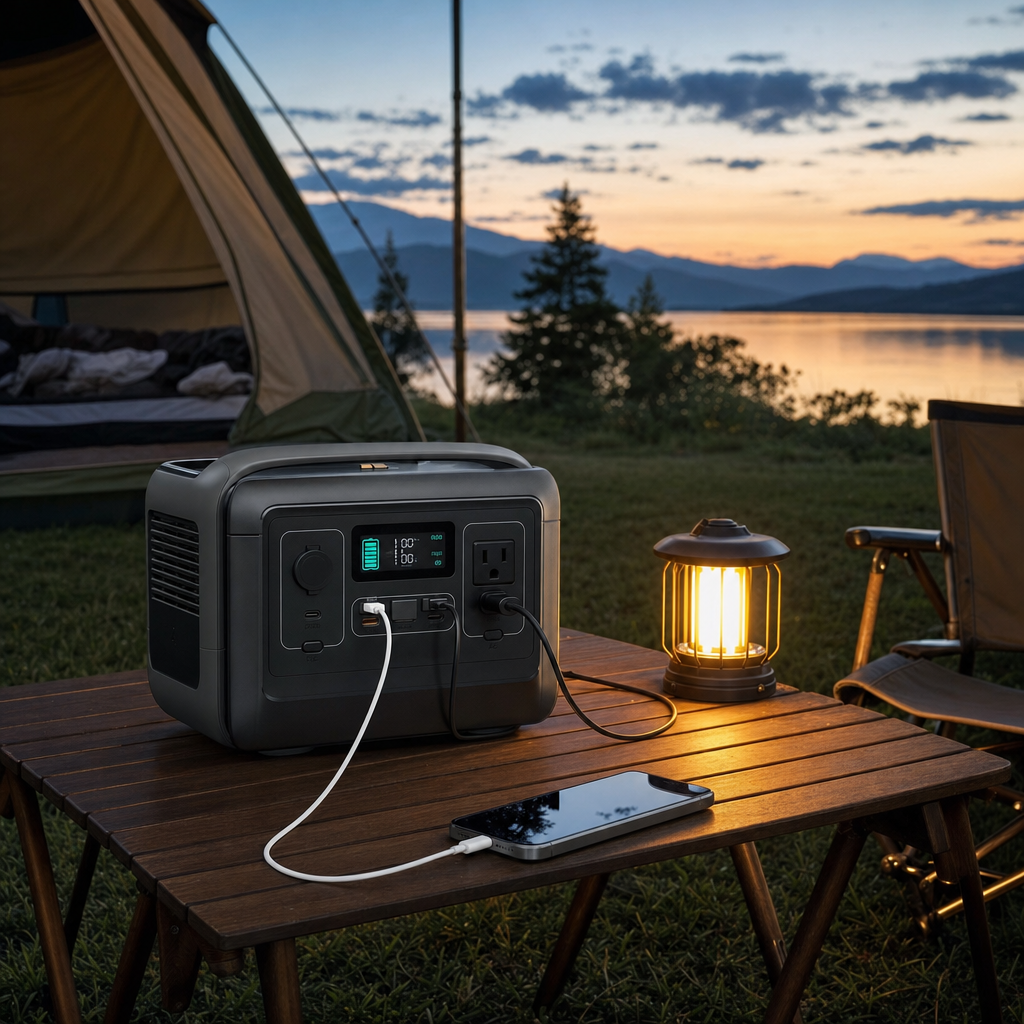
Outdoor recreation represents one of the primary reasons people invest in these versatile battery systems. Campers and overlanders use them to keep smartphones, GPS devices, camera batteries, portable refrigerators, and CPAP machines running smoothly throughout multi-day excursions. Instead of relying on noisy campground generators that disturb the peace of nature, outdoor enthusiasts enjoy clean, quiet electricity that keeps them connected and comfortable even in remote backcountry locations far away from civilization.
Emergency preparedness is another major driver of consumer interest, particularly in regions prone to severe weather, rolling blackouts, or aging electrical infrastructure. During unexpected power outages, a reliable energy storage unit keeps essential medical equipment functioning, maintains internet routers for remote work, and powers interior lights and refrigerator preservation. Homeowners often pair these stations with portable solar panels to create a completely self-sustaining emergency system capable of indefinite operation during extended grid failures.
Remote work and mobile lifestyle trends have also expanded the appeal of these units beyond traditional camping and emergency scenarios. Digital nomads, content creators, and field researchers frequently work from remote locations where traditional power sources are entirely unavailable. A sturdy power station allows professionals to run laptops, monitor equipment, and charge drone batteries efficiently from a scenic mountain overlook or a remote beach without interrupting their demanding daily workflow.
Practical Factors in Choosing a Unit
Physical weight and dimensions play a critical role in how frequently you will actually use your device. Smaller units weighing under ten pounds are exceptionally easy to toss into a backpack or carry down a hiking trail, but they offer limited capacity for heavy appliances. Conversely, high-capacity models designed for whole-home backup can weigh upwards of fifty pounds or more, often featuring built-in wheels and telescoping handles to make rolling them across flat surfaces manageable.
The variety and quality of available output ports will directly influence your daily user experience. Look for units that feature a healthy mix of standard AC household outlets, high-output USB-C ports with Power Delivery, traditional USB-A ports, and twelve-volt DC car socket connections. Premium models often include wireless charging pads on top and advanced display screens that provide real-time data regarding input wattage, output wattage, and remaining battery percentage down to the exact minute.
Maintenance and Longevity Tips
Maximizing the lifespan of your investment requires following basic battery care and maintenance guidelines recommended by manufacturers. Modern lithium iron phosphate batteries typically offer thousands of charge cycles before degrading significantly, but proper storage habits still matter immensely. Always store your unit in a cool, dry indoor environment away from extreme temperatures, direct sunlight, and moisture, which can degrade internal chemical components over time.
Routine testing and partial recharging are essential practices for maintaining battery health during long periods of inactivity. If you store a power station unused for months, internal self-discharge can drain the cells to dangerously low levels that might permanently damage the battery management system. Experts recommend checking the battery charge level every three to six months, topping it up to around fifty to eighty percent capacity to ensure it remains ready for immediate deployment.
Frequently Asked Questions
Can a portable power station run a full-size household refrigerator?
Yes, but it depends heavily on the running wattage and surge requirements of the specific refrigerator model. You will typically need a high-capacity unit rated for at least 1,500 to 2,000 watts to handle both the continuous operation and the initial compressor startup surge safely.
How long does it take to recharge a portable power station?
Recharge times vary widely based on the battery capacity and the charging method used. Plugging a standard mid-range unit into a regular wall outlet usually takes between two to eight hours, while using solar panels can take significantly longer depending on weather conditions.
Are portable power stations allowed on commercial airplanes?
Generally, no. Federal aviation regulations strictly prohibit passengers from bringing lithium-ion batteries exceeding 100 watt-hours onto commercial aircraft, either in carry-on or checked baggage, due to potential fire safety hazards associated with high-capacity energy storage devices.
What is the difference between lithium-ion and LiFePO4 batteries?
LiFePO4 batteries offer a significantly longer lifespan, supporting thousands of charge cycles compared to traditional lithium-ion chemistry. They are also chemically more stable, less prone to thermal runaway, and safer for long-term daily use, though they are often slightly heavier.
Article Was Generated By AI.