
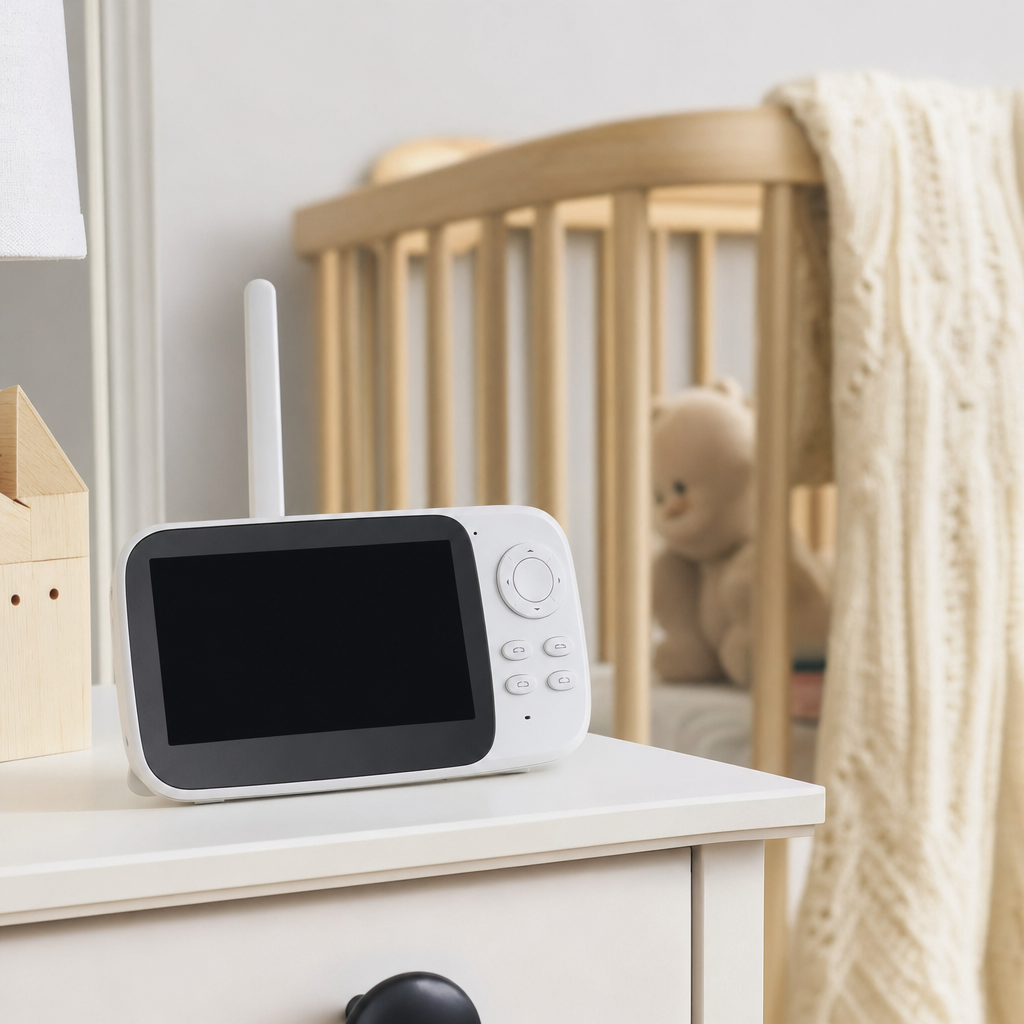
Introduction to Modern Baby Monitors
Navigating the world of nursery technology can feel overwhelming for parents and caregivers who are simply trying to maintain peace of mind while managing household responsibilities. The search for the best baby monitor often begins with understanding how much the landscape has evolved beyond the basic analog sound-only devices of the past. Today’s market features everything from high-definition video cameras to wearable sensors that track vital signs in real time. Deciding which features truly matter depends heavily on your living space, your daily routine, and your specific comfort levels regarding digital security and connectivity.
When evaluating your options, it is helpful to categorize devices into primary operational types: audio-only monitors, dedicated video monitors, and Wi-Fi-enabled smart monitors. Each category serves a distinct purpose and comes with its own set of advantages and limitations. Audio monitors remain popular for their reliability, long battery life, and resistance to hacking. Meanwhile, video monitors provide visual confirmation that a stirring baby is simply transitioning between sleep cycles rather than crying out for immediate attention. Understanding these fundamental differences ensures you focus your research on technology that aligns with your actual lifestyle rather than getting distracted by flashy marketing claims.
Audio Versus Video Capabilities
The debate between audio-only and video monitoring often comes down to personal parenting philosophy and home layout. Audio monitors transmit sound reliably across significant distances, making them ideal for larger homes or outdoor spaces where a video screen might lose connection. They allow parents to hear whimpers, coughs, and cries instantly without draining a battery or glowing in a dark room. However, experienced caregivers often note that audio alone can lead to unnecessary trips to the nursery, as it is impossible to tell whether a baby is fully awake or simply making noise in their sleep. This limitation drives many families toward visual monitoring solutions.
Video monitors bridge the gap by offering visual context, letting you see whether your infant has rolled over, lost a pacifier, or fallen back asleep independently. Modern video units often include infrared night vision, allowing crystal-clear viewing in completely dark rooms without disturbing the child. Many systems also feature two-way talk functionality, enabling parents to soothe a restless baby with the sound of their voice before physically entering the room. While these features add immense convenience, they also require more careful placement of cameras and cords to ensure optimal viewing angles while maintaining a safe nursery environment.
Dedicated Screens Versus Smart Wi-Fi Systems
One of the most consequential decisions you will make when searching for the best baby monitor involves choosing between a closed-circuit system with a dedicated parent unit and a smart monitor that connects to your home Wi-Fi network. Closed-circuit systems operate on a private radio frequency, meaning they do not require an internet connection to function. This makes them inherently secure against external hacking attempts and immune to home internet outages. They are typically ready to use right out of the box with minimal setup required, appealing to those who prefer straightforward, reliable technology without software updates or app subscriptions.
Conversely, Wi-Fi-enabled monitors transform your smartphone or tablet into the viewing screen, offering unprecedented flexibility. With a smart monitor, you can check on your sleeping infant from the office, a neighbor’s house, or while traveling, provided you have a cellular data connection. These systems often support multiple viewers, allowing working parents to log in during the day. However, they rely heavily on your router’s bandwidth and home internet stability. If your Wi-Fi drops or experiences high latency, you may encounter delayed video feeds or lost connections, which can cause unnecessary anxiety during nap times.
Here are the primary differences between dedicated screen and Wi-Fi smart monitors:
- Dedicated screens offer private, hack-resistant signals independent of home internet quality.
- Smart Wi-Fi monitors provide remote viewing from anywhere using smartphones and tablets.
- Dedicated units usually feature simpler, more reliable interfaces with fewer setup hurdles.
- Smart systems often include advanced analytics, cloud storage, and multi-user access.
Security, Privacy, and Data Protection
As baby monitors have become more advanced, network security and data privacy have justifiably moved to the forefront of consumer consciousness. Because internet-connected cameras stream intimate footage from inside your home, they represent potential targets for malicious actors if proper precautions are not taken. When utilizing Wi-Fi monitors, it is vital to select reputable manufacturers that prioritize robust encryption protocols, secure cloud storage, and regular firmware updates to patch newly discovered vulnerabilities. Neglecting these security measures can inadvertently leave your private family moments exposed to unauthorized third parties.
To safeguard your home network, experts recommend taking several proactive steps during installation. Always change the default username and password that come with the device immediately, as hackers often scan for factory-set credentials. Ensure your home Wi-Fi network is protected with a strong WPA2 or WPA3 password and consider placing your baby monitor on a separate guest network if your router supports it. Furthermore, disabling remote access when you are home or turning off the monitor entirely when it is not in use provides an extra layer of physical and digital security for your household.
Range, Battery Life, and Home Layout Considerations
The physical architecture of your home plays a massive role in how well any baby monitor performs in daily practice. Thick concrete walls, brick fireplaces, metal framing, and multi-story layouts can severely attenuate radio frequencies, leading to dropped signals or static interference on dedicated monitors. If you live in a sprawling house or have a large yard, checking the manufacturer’s stated range and looking for models with out-of-range alerts is essential. Some systems utilize advanced transmission technologies that automatically switch channels to find the clearest signal available in challenging environments.
Battery life is another critical factor that directly impacts user satisfaction throughout the night. Parent units with continuous video streaming can quickly drain batteries, turning a full night’s sleep into a frantic scramble for a charger. Look for models featuring power-saving audio-only modes, screen-timeout functions that activate only when sound is detected, or long-lasting rechargeable lithium-ion batteries. Additionally, consider how easily the parent unit can be carried around your home; ergonomic designs, belt clips, and tabletop stands make moving the monitor from room to room much more convenient during daytime chores.
Frequently Asked Questions
Are Wi-Fi baby monitors safe from hackers?
While no internet-connected device is completely immune to risk, you can significantly enhance security by changing default passwords, using strong Wi-Fi encryption, keeping device firmware updated, and choosing reputable brands that prioritize robust data privacy standards.
Do I really need a video monitor, or is an audio monitor enough?
An audio monitor is entirely sufficient for hearing cries and general sounds. However, video monitors provide helpful visual context, allowing you to see if your baby is actually awake or simply making noise during a normal sleep cycle transition.
What is the typical range for a non-Wi-Fi baby monitor?
Most dedicated audio and video monitors have a range between 600 and 1,000 feet in optimal conditions with a clear line of sight. Heavy walls, insulation, and multi-story layouts will reduce this effective operational distance.
Can smart monitors be accessed by multiple family members?
Yes, most Wi-Fi-enabled smart monitors allow multiple users to download the companion mobile app and log in with designated credentials, making it easy for working parents or caregivers to check in remotely.
Article Was Generated By AI.