
Introduction to Electric Shaving Technology
When exploring the landscape of personal grooming tools, finding the best electric shaver often comes down to understanding your specific skin sensitivity and hair growth patterns. Unlike traditional manual razors that use exposed blades dragged directly across the skin, electric shavers rely on motorized cutting elements shielded by thin metal guards or specialized combs. This protective design significantly minimizes direct blade contact with the epidermis, which drastically reduces the likelihood of accidental cuts, razor burn, and painful ingrown hairs. Modern engineering has transformed these devices from noisy, pull-prone gadgets into sophisticated instruments featuring micro-thin foils, high-speed linear motors, and intelligent sensors that adjust power output based on beard density.
The appeal of electric shaving extends far beyond simple safety benefits, encompassing remarkable convenience, speed, and long-term cost efficiency. Many contemporary models are engineered for both wet and dry operation, allowing users to shave quickly at their dry desks or enjoy a soothing, gel-infused shave directly in the shower. Furthermore, while the initial investment for a high-end grooming tool can be substantial, users eliminate the recurring expense of constantly purchasing disposable cartridge refills. Battery technology has also advanced tremendously, with lithium-ion power cells offering weeks of cordless operation on a single charge, complemented by rapid-charge features that deliver enough power for a full shave in just five minutes.
Foil Versus Rotary: Understanding the Core Design Styles
The market is fundamentally divided into two distinct design categories: foil shavers and rotary shavers, each utilizing unique mechanical approaches to capture and cut facial hair. Foil shavers feature straight, linear rows of sharp cutting blades moving rapidly back and forth beneath a very thin, perforated metal screen. The microscopic holes in the foil guide hairs inward while keeping the skin safely distanced from the cutting edges. This configuration excels at delivering a remarkably close, uniform shave, making foil models the preferred choice for individuals who maintain clean-shaven faces daily and appreciate straight, precise lines along sideburns and jawlines.
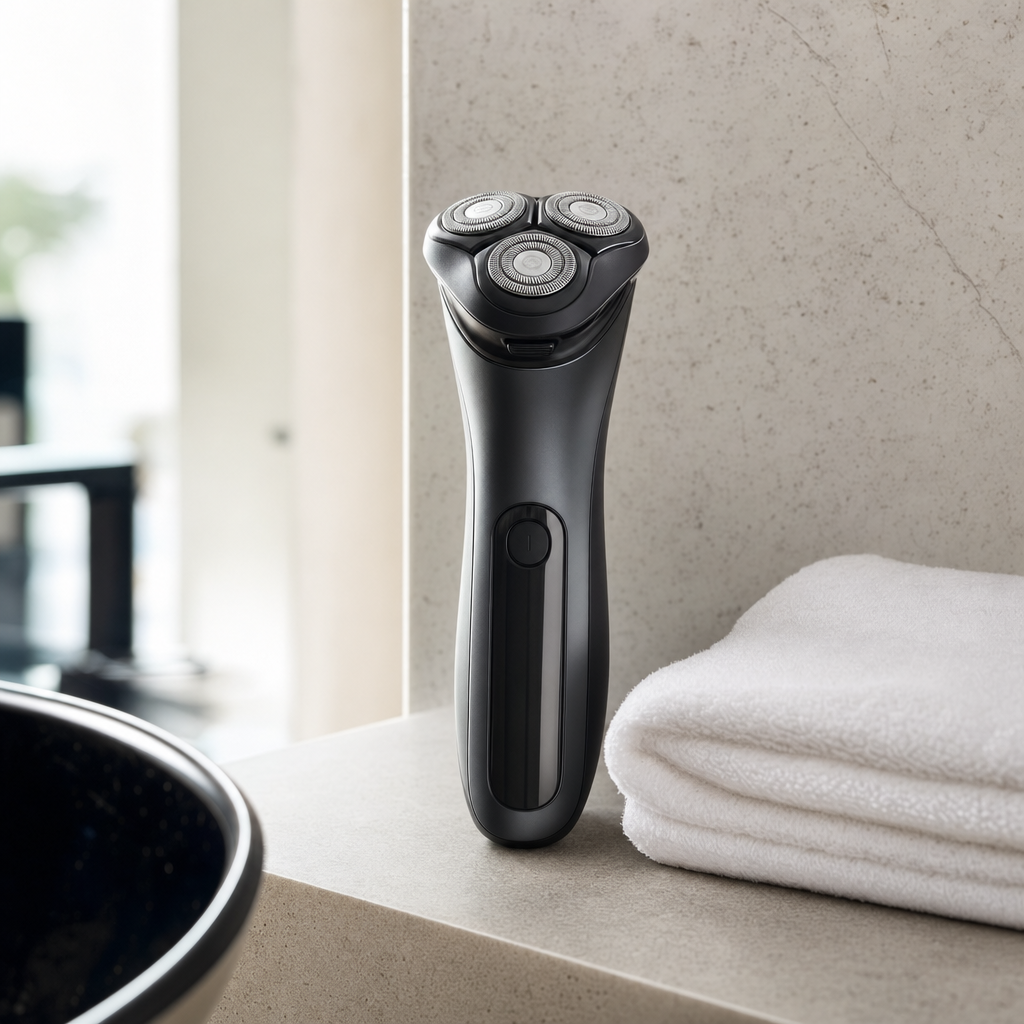
Conversely, rotary shavers utilize three or four circular cutting heads that independently flex, pivot, and rotate in circular motions to contour seamlessly to the complex topography of the human face and neck. These circular tracks are particularly effective at capturing longer, coarser, or multidirectional hairs that often grow flat against the skin in tricky areas like the jawline and throat. If you frequently skip shaving for several days and are dealing with a thick, unruly beard, a rotary shaver will generally glide through the dense growth with less tugging and pulling compared to a standard linear foil alternative.
Key Features to Evaluate When Comparing Shavers
Navigating the myriad options available requires looking beyond marketing claims to evaluate specific mechanical and digital features that impact daily usability. Battery indicators are remarkably important; basic models offer simple charging lights, whereas premium versions feature precise LED countdown timers displaying exact remaining minutes. Ergonomic design and grip materials also matter significantly, especially for users who shave in wet shower environments where slippery plastic handles can lead to accidental drops and damaged cutting heads.
Many advanced grooming systems now include automated cleaning and charging docks that sanitize, lubricate, and dry the shaving head at the push of a button. While these stations add to the overall footprint and require purchasing proprietary cleaning cartridges, they extend the lifespan of the cutting elements and maintain optimal hygiene. When reviewing your options, consider whether you prefer a self-maintaining appliance or a simpler model that can be easily rinsed manually under warm running tap water.
- Check for wet/dry capability if you prefer showering while grooming.
- Look for pivoting heads that adapt to your unique facial contours.
- Assess replacement part availability and ongoing maintenance costs.
- Verify battery run times and fast-charge capabilities for travel convenience.
Proper Technique and Skin Adaptation Phases
Transitioning from traditional manual razors to an electric shaver often requires a mandatory adjustment period during which your facial skin adapts to the entirely different mechanical stimulation. For the first two to four weeks, some users experience mild irritation or notice that the shave does not feel quite as close as expected. Dermatologists recommend using the device daily during this transition phase to help your facial hair follicles adjust to the new cutting motion and to allow the outer layers of skin to toughen up slightly against the friction.
Mastering the physical technique is equally critical for achieving optimal results without causing unnecessary friction or redness on sensitive skin zones. Unlike manual razors where you press firmly and pull downward, electric shavers require a lighter touch combined with slow, deliberate circular motions for rotary models, or straight, gentle strokes against the grain for foil units. Holding your skin taut with your free hand helps feed the hairs more efficiently into the cutting apertures, resulting in a cleaner, smoother finish across difficult areas like the neck and chin.
Maintenance, Cleaning, and Longevity Practices
Routine maintenance is the single most important factor in ensuring your grooming appliance continues to perform at its peak efficiency over several years of regular use. Accumulated facial oils, dead skin cells, and clipped hair stubs can quickly clog cutting elements, causing the motor to strain and dulling the microscopic edges prematurely. After every few dry shaves, you should tap the hair collection chamber gently against a hard surface and use a specialized small brush to sweep away lingering debris before it compacts into a hard mass.
Deep cleaning should occur bi-weekly using either soap and water for waterproof units or specialized cleaning sprays designed to dissolve stubborn skin oils. Additionally, manufacturers universally recommend replacing your foil screens and cutter blocks every twelve to eighteen months, as the ultra-thin metals experience microscopic wear that can compromise cutting performance and increase skin irritation. Keeping replacement schedules on track guarantees a consistently smooth shave and prevents sudden blade failure during your morning routine.
Frequently Asked Questions About Electric Shavers
Can an electric shaver provide a shave as close as a traditional safety razor?
While modern electric shavers get remarkably close, traditional manual razors generally achieve a slightly closer shave because the blade makes direct contact with the skin surface. However, electric models drastically reduce irritation and nicks.
How often do I need to replace the foils and blades on my shaver?
Most manufacturers recommend replacing the cutting foils and internal blades every 12 to 18 months. Regular replacement ensures optimal cutting efficiency, prevents hair pulling, and maintains a comfortable, hygienic shaving experience.
Is it better to use an electric shaver on dry skin or with shaving gel?
This depends entirely on your skin sensitivity and personal preference, as many modern shavers support both methods. Dry shaving offers maximum speed and convenience, while wet shaving with gel or foam provides extra lubrication and reduces friction.
Why does my skin feel irritated when I first start using an electric shaver?
Facial skin requires a transition period of two to four weeks to adapt to the unique mechanical action of electric cutting elements. Shaving daily during this initial phase helps your skin toughen up and prevents prolonged discomfort.
Article Was Generated By AI.