
Understanding the Modern Stroller Landscape
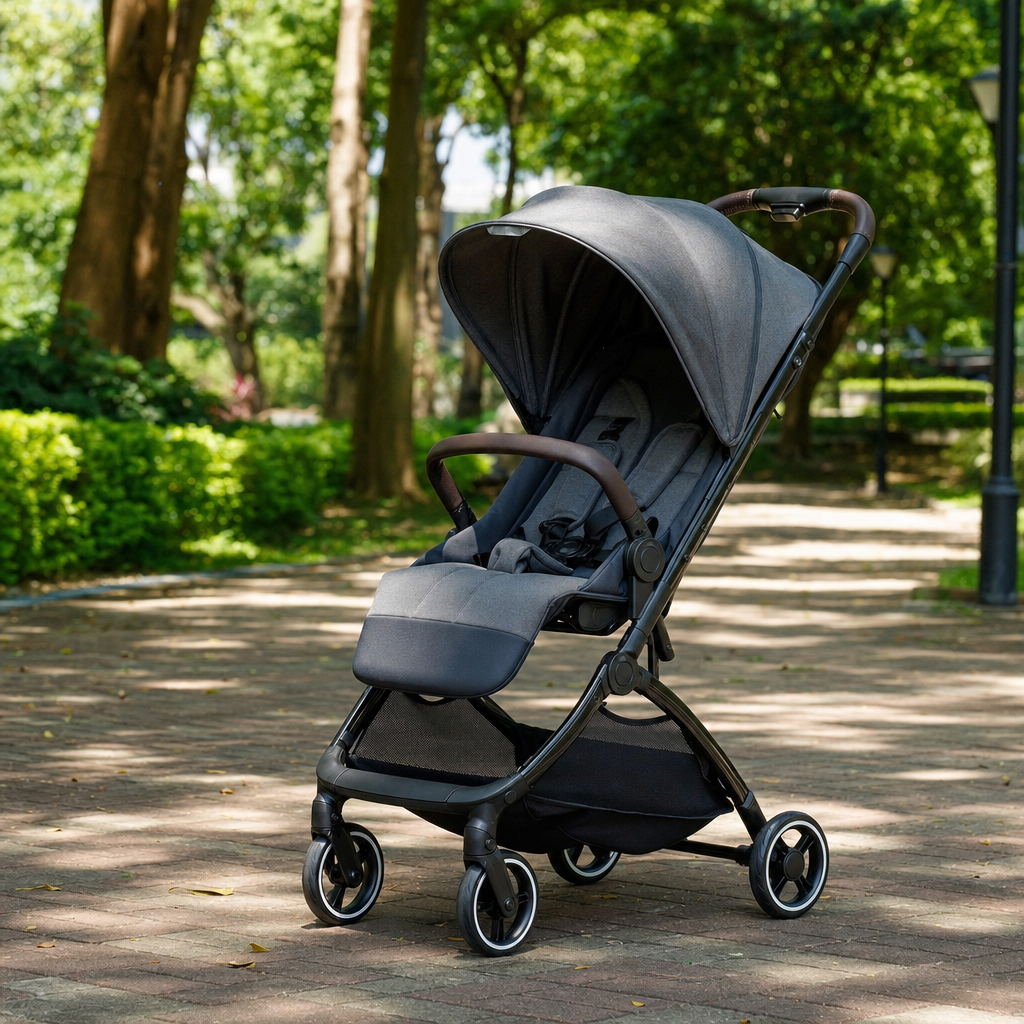
Navigating the market to find the best stroller requires a clear understanding of your daily routines, living arrangements, and transportation habits. Strollers have evolved significantly from basic folding chairs on wheels into sophisticated transport systems designed for diverse environments. Whether you live in a bustling urban center with narrow elevators and public transit stairs, or in a sprawling suburb requiring trunk space for grocery bags and soccer gear, your daily environment dictates your equipment needs. Manufacturers now engineer specialized frames, advanced suspension systems, and modular seating arrangements that adapt to a child from infancy through the toddler years. Recognizing these foundational categories helps narrow down the overwhelming array of choices available in retail stores and online catalogues.
The sheer variety of available models can quickly become daunting without a structured approach to evaluation. Standard full-sized models offer maximum comfort, ample storage, and robust wheel suspensions, but they often come with a heavier frame and a bulkier folded footprint. Conversely, lightweight umbrella models prioritize portability and compact storage at the expense of heavy-duty suspension and deep reclining seats. Travel systems bridge the gap by combining an infant car seat with a compatible stroller frame, allowing caregivers to transfer a sleeping baby from the car to the walking path without disturbing them. Evaluating your specific lifestyle constraints before browsing ensures you focus strictly on categories that genuinely serve your day-to-day requirements without unnecessary bulk or missing features.
Key Categories and Specialized Designs
Jogging models represent a distinct category engineered specifically for active parents who enjoy running or walking on rough terrain. These units typically feature three large, air-filled pneumatic tires that absorb shocks efficiently, alongside a fixed front wheel for enhanced stability at higher speeds or a swivelling wheel for easier manoeuvrability around tight corners. Safety is paramount in this category, which is why jogging units routinely incorporate wrist straps, hand brakes, and robust multi-point harnesses to secure the child during rapid movement. However, their larger footprint and heavier frames make them less suitable for everyday shopping trips, tight indoor spaces, or quick errands where compact storage is an absolute priority.
Double models address the logistical challenges of growing families, offering tandem configurations where children sit one behind the other, or side-by-side configurations where siblings sit next to each other. Tandem models easily navigate narrow grocery store aisles and standard doorways, though visibility and legroom may vary between the front and rear seats. Side-by-side models provide equal views and easy access to both children, but their broader overall width can make passing through standard doors or crowded public spaces notably more difficult. Convertible models offer a versatile middle ground by starting as a single unit and expanding into a double setup with an optional second seat or riding board as family dynamics shift over time.
- Full-Sized Models: Heavy-duty, maximum storage, superior comfort, but bulky and heavy to lift.
- Lightweight and Umbrella Models: Highly portable, compact fold, ideal for travel, minimal suspension.
- Jogging Models: Air-filled tires, excellent suspension, fixed front wheel, built for active outdoor use.
- Double and Convertible Models: Accommodates multiple children with tandem, side-by-side, or expandable frames.
Essential Features and Safety Standards
Safety remains the single most critical factor when evaluating any infant or toddler transport equipment. Regulatory bodies establish rigorous safety specifications regarding structural integrity, braking performance, and harness reliability. Caregivers should always verify that a prospective model complies with current national safety standards and features a reliable five-point harness system that secures the child at the shoulders, waist, and between the legs. The braking mechanism must engage securely and remain locked even on inclined surfaces, preventing accidental rolling when parked. Additionally, checking for pinch points on the folding mechanism ensures that fingers cannot be caught during setup or teardown.
Comfort and convenience features dramatically influence the long-term usability of your equipment during daily outings. Adjustable canopies with UV protection shield sensitive skin from harsh sunlight, while peek-a-boo windows allow caregivers to monitor the child without stopping or walking around the front. Reclining seat angles are essential, especially for younger infants who cannot yet support their own heads and require a flat or semi-reclined surface for safe sleeping on the go. Storage baskets located underneath the seat must be easily accessible and robust enough to hold diaper bags, changing pads, and personal items without sagging and dragging on the ground.
Practical Guidance for Testing and Selection
Hands-on testing is an indispensable step before finalizing any purchase decision for your family. Whenever possible, visit a specialty baby store to interact with the floor models physically. Practice folding and unfolding the frame repeatedly to test its intuitive nature; a model that requires two hands, excessive force, or complicated unlocking sequences will quickly become frustrating during rainy weather or when holding a crying infant. Lift the folded frame to assess its weight and ergonomics, ensuring you can comfortably load it into the trunk of your vehicle without strain or awkward lifting angles.
Maneuverability tests in a retail environment reveal how well a frame handles tight turns, narrow aisles, and uneven flooring surfaces. Push the model with one hand to evaluate steering responsiveness, as you will frequently find yourself holding a coffee, an umbrella, or an older sibling’s hand while navigating sidewalks. Check the handlebar height and adjustability to ensure both primary caregivers can push the equipment comfortably without kicking the rear wheels or bending over awkwardly. Taking the time to evaluate these physical dynamics prevents long-term ergonomic discomfort and ensures seamless daily operation.
- Assess your living situation, car trunk dimensions, and typical daily travel routes.
- Test the folding and unfolding mechanism repeatedly in the store for ease of use.
- Check the weight of the folded frame to ensure comfortable lifting into vehicles.
- Test one-handed steering and maneuverability around tight corners and displays.
- Verify harness security, brake engagement, and overall regulatory compliance.
Maintenance, Care, and Longevity
Proper maintenance extends the functional lifespan of your transport equipment and ensures continued safety throughout years of heavy use. Regularly inspect the wheels for embedded debris such as small stones, glass shards, or tangled hair that can interfere with smooth rolling and bearing performance. For models with pneumatic air-filled tires, monitor tire pressure periodically using a standard bicycle pump to maintain optimal rolling resistance and shock absorption. Lubricate moving hinge points and locking mechanisms with a silicone-based spray when manufacturer guidelines recommend it, avoiding heavy greases that tend to attract dust, dirt, and playground sand.
Fabric care is another crucial aspect of long-term upkeep, given that spills, crumbs, and diaper leaks are virtually inevitable. Many modern models feature removable, machine-washable seat pads and canopy fabrics, though you must always consult the care tag for specific water temperature and air-drying instructions to prevent shrinkage or UV coating degradation. Frame surfaces can be wiped down with a damp cloth and mild soap to remove mud, salt residue from winter sidewalks, and everyday grime. Storing the folded equipment in a dry indoor environment rather than a damp garage or humid trunk prevents rust formation on metal components and mold growth on fabric linings.
Frequently Asked Questions
What is the difference between a standard stroller and a travel system?
A standard stroller is a standalone unit meant for older babies and toddlers. A travel system includes a compatible infant car seat that clicks directly into the stroller frame, allowing seamless movement from car to walk.
Can I use a jogging stroller for daily errands?
Yes, but jogging models are typically larger, heavier, and harder to maneuver in tight indoor spaces like grocery store aisles due to their fixed front wheel and long frame design.
When can my baby sit in a regular stroller seat without a car seat?
Most infants can transition to a standard stroller seat once they can sit up unassisted and hold their head steady, usually around six months of age, provided the seat offers a flat or deep recline.
How often should I clean and maintain my stroller?
Perform a quick visual check of the brakes and wheels monthly, wipe down sticky fabric surfaces as needed, and conduct a thorough deep cleaning of the frame and removable pads every three to six months.
Article Was Generated By AI.